


This information will help you to make some of the decisions needed during your IVF (in vitro fertilisation), or ICSI (intracytoplasmic sperm injection) treatment.
We realise this may be a lot to digest in one go, so please keep referring to it throughout treatment.
Before you start
You will be registered on our online consent portal, Fertility Consent and given access to information videos relevant to your treatment. You must review the information provided on Fertility Consent and sign the allocated consent forms before we can offer you a date to start treatment.
Please read the section below regarding fertility consent very carefully, to avoid errors in your consent forms. Any errors in your consent forms could lead to delays in starting your treatment.
Fertility Consent
Fertility Consent is a UK based company that specialises in providing online consents specifically for fertility clinics. Fertility Consent is a secure online platform, which provides patients with consistent and engaging information about their individual treatment, which they can review in the comfort and safety of their own home before electronically completing and signing their clinic consent forms and, where required, regulatory consent forms.
Newcastle Fertility Centre staff register patients on Fertility Consent through our own secure clinic dashboard. Fertility Consent then allocates each patient’s individual educational videos, clinic information, regulatory consent forms, and clinic consent forms based on their specific demographic and treatment details.
When you are nearing the top of the waiting list, you will receive a text message directing you to the Fertility Consent platform to review information specific to your treatment and complete the relevant consent forms. If you are having treatment with a partner, you will both receive a text message. When you receive the text message, please log in to review the information videos and complete the consent forms as soon as possible. If you have any difficulties accessing the system or completing the forms, please email the nurses at [email protected]
It is best to complete the forms on a laptop, PC or tablet. Please do not use your mobile phone to complete the forms as they do not format correctly on a mobile phone and the forms will be invalid. Please contact us if you do not have access to a laptop, PC or tablet and we will arrange for you to attend the clinic to use our tablets to complete the forms.
Once you have completed all of the consent forms please email [email protected] to alert us that you have completed your consent forms. You should include your full name and date of birth in the email. If you are having treatment with a partner, you should not email us until you have both completed the forms.
You should discuss the content of your consents together as there are areas you may wish to agree a response to. For example, if one partner agrees to allow us to write letters to the GP but the other partner does not, we will not be able to write to the GP about your treatment as a couple. Similarly, if one partner agrees to embryo freezing but the other does not, we are unable to freeze any embryos. If you consent to freeze embryos you should agree the length of storage for this embryos as if each partner consents to a different storage period we will default to the shorter storage period.
Please enter your personal details carefully especially when entering your names and you or your partner’s date of birth. If you enter incorrect details, we will reset the forms for you to do again.
Please read this information leaflet and watch the information videos before completing your consents. We are also happy to answer any questions you might have.
Once we receive your email alerting us that you (and your partner if applicable) have completed the consent forms we will allocate a date to review your forms. If your consents are completed correctly when reviewed, the team will contact you to arrange a scheduling appointment. We will not allocate a scheduling appointment until the consents are completed fully and correctly.
If you fail to complete the forms in one month and have not contacted us for support within this time we may remove you from our treatment list.
Withdrawing or varying your consent
If you would like to amend your consents or withdraw your consent after you have completed your consent forms please discuss this with a member of the team as soon as possible.
Scheduling appointment
This is a face-to-face appointment with a member of our nursing team. If you are seeking treatment as a couple both partners must attend this appointment. If you are a single woman seeking treatment, you might find it helpful to have a friend or family member attend the appointment with you.
The nursing team will answer any further queries that you have and make sure you are ready to commence your treatment cycle. If you are happy to proceed to treatment, we will then help you to choose your dates for starting treatment. While we will do our best to accommodate your preference for a specific treatment date it is not always possible.
You will be given a treatment plan listing the medication regime, scan and procedure dates for you to refer to throughout your treatment. The fertility nurse will teach you how to do the injections and you will have a go at practicing this yourself.
During this session, we will provide you with an equipment pack. This includes all the needles, syringes and other equipment that you need for the fertility injections and a sharps disposal bin for your used needles.
Social Media
Social media is a big part of 21st century life and we understand that you might want to share your fertility treatment story on your social media. We know that some of you feel this gives you a network of support and that it can help lessen the stigma you feel surrounding fertility treatment. We respect your choice to do this, but ask that you respect the privacy of our staff and most importantly the privacy of other patients. This means that we would prefer that you do not photograph or record the staff (either in picture or sound) delivering care or speaking with you on the telephone. If you do decide to record yourself attending the clinic this should only be done when staff are not present and when you are in an enclosed room so there is no risk of accidentally videoing other patients. We appreciate that your fertility journey is personal to you and any recordings must remain the same.
Tests
You will have had several tests done before treatment. More information on tests can be found on our website.
Screening for HIV, Hepatitis B and Hepatitis C:
This test is done for everyone pretreatment. These viral infections have implications for individuals’ health and wellbeing as well as those of any child who can be infected during pregnancy and childbirth. It is therefore valuable to be screened prior to planned fertility treatment so that if necessary appropriate management can be planned. A positive result does not prevent you from undergoing fertility treatment but further assessment and or treatment is likely to be necessary before proceeding.
We are required to screen for these viral infections prior to storing embryos, sperm or eggs. We are currently unable to store embryos, sperm or eggs for couples where one or both partners test positive. The screening tests for these infections will occasionally result in an equivocal or false positive result. A diagnosis of infection is not made until a formal diagnostic test confirms it.
Viral infection screening must be completed every two years while you are undergoing treatment.
You may require further blood tests for assessment of any fertility or medical problems prior to treatment. These tests will be explained to you, as they are undertaken.
Preparation for pregnancy
There are a number of things you should be aware of when planning a pregnancy. We would like to help you to be as healthy as possible.
Folic Acid:
All women who are trying to conceive are advised to take FOLIC ACID 400micrograms daily to reduce the risk of a baby born with spina bifida. It is often cheaper to buy this over the counter at a chemist than on prescription. In some situations – if there is a personal or family history of spina bifida or when the woman is taking some medications e.g. some antiepileptic drugs it is advisable to take a higher dose. If you are uncertain about this, please don’t hesitate to ask.
Vitamins
Vitamin D helps us to absorb the right amount of calcium and phosphate. This is particularly important in pregnancy as it helps to develop baby’s teeth, bones, heart and nervous system. In the UK, approximately 1 in 5 people have a deficiency in vitamin D. This is especially common in Asian women. Women who are obese also tend to have lower levels of vitamin D. Low levels of vitamin D may affect reproductive health and may increase the risks of pregnancy. You are advised to take a 10micrograms vitamin D supplement when trying to conceive.
Do not take vitamin A supplements or any supplements containing vitamin A (retinol), as too much vitamin A could harm your baby.
Alcohol
The Chief Medical Officers for the UK recommend that if you are pregnant or planning to become pregnant, the safest approach is not to drink alcohol at all to keep risks to your baby to a minimum.
There is no completely safe level of drinking, but sticking within the guidelines lowers your risk of harming your health. Men and women are advised not to regularly drink more than 14 units a week. Heavy drinking reduces fertility in men and women.
Smoking
Research suggests that women who smoke are less likely to conceive following IVF treatment. There is also good evidence that smoking reduces the quality of sperm. There are well-known health benefits in stopping smoking. Both men and women are strongly advised to stop smoking before embarking on fertility treatment. If you would like help to stop smoking please speak to the nurses who can offer you advice or telephone the NHS Smoking Helpline 0300 1231044. Stop smoking in pregnancy – NHS (www.nhs.uk) Women seeking NHS funded IVF treatment must be non-smokers. Men with sperm problems must also be non-smokers before accessing NHS funded IVF treatment.
Weight
It is important for both partners to maintain a healthy BMI. Your BMI is your body mass index and is calculated from your weight and your height. An ideal BMI is in the 19 to 25 range. A BMI of 25-30 is overweight and over 30 is obese. You can use the NHS BMI calculator to work out your BMI by visiting www.nhs.uk/live-well/healthy-weight/bmi-calculator/. Women must have a BMI less than 30 before starting treatment.
For women: if your BMI is over 30, it can take longer to conceive. Losing 5-10% of your body weight can lead to significant health benefits and increase your chances of getting pregnant and it will also reduce the risks in pregnancy. Joining a slimming group may improve your chance of successfully losing weight.
The potential health risks of being obese include difficulties during pregnancy, labour and delivery.
For women: if your BMI is less than 19; this may interfere with your periods and fertility, if this applies to you we may advise you that you would benefit from gaining weight. If you are underweight, you are also at higher risk of problems in pregnancy, labour and delivery.
For men: It is accepted that obesity (BMI>30) may have an adverse effect on sperm production. Men who have a suboptimal sperm test where it is believed that weight loss may improve fertility are advised to lose weight before pursuing fertility treatment.
NHS funding for IVF is only available to women with a BMI between 19 and 30. We will measure your BMI before we plan a treatment date for you. Some women will have their weight rechecked before starting the FSH injections. Your treatment may be cancelled if your BMI has increased beyond the agreed threshold.
Recreational Drugs
We would advise both men and women not to use recreational drugs. They are harmful to your health, may reduce your fertility and they are harmful to potential children.
Cannabis in particular can affect sperm quality therefore should be avoided. The effect on sperm quality can be reversed.
Anabolic steroids are very harmful to sperm quality. It can take up to 18 months for sperm quality to get back to normal after stopping steroids and in some men, the effect on sperm quality will be permanent. Some protein supplements also contain steroids so such products should be avoided completely.
If you feel you require further support on stopping using recreational drugs please inform a member of staff.
Cervical smears
It is advised that you ensure that your smears are up to date prior to commencing fertility treatment so that any further assessment or treatment can be undertaken before any potential pregnancy.
Genetic problems
Please inform us if you aware of any conditions or illnesses that exist in your family. This will allow us to investigate any risks to you or any child that you may have and ensure that you receive appropriate advice and counselling. We may refer you to a genetics specialist who can offer you specialist advice and arrange further investigations.
Medical problems
If you suffer from any significant health problems, we would recommend you discuss the fact you are planning a pregnancy with the relevant health professionals.
There are a number of medications that are not safe for use in pregnancy therefore, it provides an opportunity to switch onto safer medications prior to pregnancy and allow your body to adapt to this change.
If you will be the woman carrying the pregnancy, it is important that all health problems are optimised prior to embarking on a pregnancy as it reduces the risk of complications such as miscarriage or ill health later in pregnancy which could result in a premature birth.
If you have any of the following conditions please seek advice before conceiving:
- Diabetes
- Epilepsy
- Cardiac Disease
- Hypertension
- Renal Disease
- Rheumatological disease
- Inflammatory bowel disease
- Haemoglobinopathies
- Mental health illness
Infections
Sexually transmitted diseases caught at any time may create further problems when trying to conceive. It is also possible that vaginal infections at the time of embryo transfer reduce the chance of IVF working. If you are worried about this at any time, we encourage you to visit your local genitourinary medicine clinic.
Travel abroad
Travelling abroad may carry health risks for pregnant women or women who plan to get pregnant (e.g. Covid-19, Zika virus and Ebola). We advise any patients (male or female) who have recently travelled or are planning to travel abroad to refer to the department of health guidelines about any risks relating to pregnancy. If you are unsure about this, please discuss with the clinic staff.
To minimise the risk of Zika Virus transmission, female travellers (symptomatic or asymptomatic) should not try to conceive naturally, donate gametes or proceed with fertility treatment for 2 months. Male travellers (symptomatic or asymptomatic) should not try to conceive naturally, donate gametes or proceed with fertility treatment for 3 months. If a female partner becomes pregnant use of a condom is advised for oral, vaginal and anal sex during and after travel to a Zika area to prevent the developing foetus being exposed to the Zika virus.
To minimise the risk of Ebola transmission, egg donors and female fertility patients should defer from treatment or donation for 6 months after leaving an area affected at the time by an Ebola outbreak. Sperm donors and male fertility patients should defer from treatment or donation for 2 years after leaving an area affected at the time by an Ebola outbreak.
Covid-19 vaccination
People of reproductive age are advised to have the vaccine when they receive their invitation for vaccination. This includes those who are trying to have a baby as well as those who are thinking about having a baby, whether that is in the near future or in a few years’ time.
There is absolutely no evidence, and no theoretical reason, that any of the vaccines can affect the fertility of women or men.
Complementary Therapies
At the moment, we do not have a good evidence base to recommend any complementary therapies. There are none that are proven to increase your chances of conceiving. We would not recommend the use of any herbal remedies, as we do not know how safe they are. However, if you are using complementary therapies such as massage or acupuncture to relieve stress and you are finding this helpful there is no reason why you should not continue doing so.
Venous Thromboembolism (VTE)
VTE, more commonly known as a blood clot, is an uncommon complication of IVF treatment and pregnancy but can be very serious if left untreated. Some women are more at risk of developing VTE based on their medical history or the medical history of close relatives. We will assess your VTE risk before you start your IVF treatment. If you are considered to be at an increased risk, we will prescribe blood thinning injections either to go alongside your IVF injections or to start if you become pregnant.
If you have any other questions about planning a pregnancy, please ask a member of our nursing or medical staff and we would be happy to answer.
Emotional Support
Counselling
We are aware that undergoing fertility investigations and treatment is stressful and can affect the most personal and private aspects of your life. Counselling can help to lessen potential feelings of isolation and confusion, and encourage you to recognise and understand your emotions and allow you to explore the options that you have available to make the decisions that are right for you.
We offer a counselling service that gives you the opportunity to talk to an empathic and impartial counsellor in a confidential setting. You may attend together or individually. Each session usually lasts for one hour and can be delivered face to face, on video or on the telephone.
If you would like to see a counsellor, please email [email protected] and we will arrange an appointment or alternatively speak to a nurse or doctor who can arrange this for you.
Support Groups
Support groups offer a chance to meet and share experiences with others who are also trying to conceive. You can participate as much, or as little, as you wish and sessions are informal. You can attend as a couple or individually. Peer support provides an opportunity to learn from others going through a similar experience.
Newcastle Fertility Support Group work closely with Fertility Network UK and is held on the second Monday of every month. Posters are displayed in the clinic. For more information email [email protected]
You can also join the closed Facebook group by searching “newcastlefertilitygroup”.
Prescriptions
NHS funded patients will have their prescription sent electronically to the RVI pharmacy and asked to go there to collect their medications. You will need to pay the standard NHS prescription charge per item on the prescription. Sometimes there can be multiple items on one script for a cycle of treatment.
Self-funded patients can also have their prescription sent electronically to the RVI pharmacy or can ask for a paper prescription to take to a pharmacy of their choice. You will be charged for the drugs when they are dispensed by the pharmacy. If you are a self-funded patient, we recommend that you shop around for the best price for your medications. Most pharmacies will need a few days’ notice to get fertility medications in stock for you.
Prescriptions sent to the RVI must be collected within one week of issue and you must ensure you have collected your drugs before you are due to start treatment. Remember to check the expiry dates and storage instructions for each medicine.
Injections
We will teach you, your partner (if applicable), or a friend/family member to administer the injections. Some patients are surprised to hear this, but it really is simple to learn, and much easier than having to visit your doctor every day. All the injections are given into the subcutaneous tissue (the layer of fat directly underneath your skin) using a small thin needle. The injections can be given in your stomach (anywhere below the belly button and above the hips) or your upper outer thighs. You can choose which you feel most comfortable with. Injections must be taken at the same time every day.
If you choose not to do your own injections and wish to go to your GP, you must arrange for this yourself, remembering that some injections must be given at weekends or evenings. Unfortunately, we cannot arrange for injections to be given in the unit, as we do not have the staff available.
Needles and syringes
You can collect needles, syringes, and a sharps box from the Newcastle Fertility Centre. Please return the sharps box and any unused items to the centre for safe disposal. Please do not dispose of them in your general household waste/recycling.
Appointments for Treatment
Getting time off work for appointments can be difficult. Some people find it helpful to discuss what is happening with their employer, others don’t. We can provide proof of your appointments if requested.
The minimum number of appointments are as follows. If you are having treatment as a couple then attendance of both partners is essential for the appointments in bold, although partners are welcome to attend at any point
- Scheduling appointment
- starting scan
- monitoring scan(s)
- final scan
- egg collection
- embryo transfer
Please remember that the treatment dates are only an estimate of how your body will respond to the drugs. This means that we may have to alter the treatment dates in response to the scan results to ensure that you have the best chance of a successful outcome. This can sometimes be at very short notice.
What happens during IVF
IVF involves the following steps:
- Suppressing your natural cycle
- Boosting your egg supply
- Monitoring your progress and maturing your eggs
- Collecting the eggs
- Fertilising the eggs (IVF or ICSI)
- Transferring the embryos.
There are two different treatment protocols; the long protocol and the antagonist protocol. We decide which protocol is best for you based on your ovarian reserve tests. Most women will follow the long agonist protocol. Women with a very high ovarian reserve who have a higher than average risk of developing Ovarian Hyperstimulation Syndrome (OHSS) will follow the antagonist protocol. This is because the antagonist protocol can reduce their chance of developing OHSS. We will explain your protocol and our reasons for choosing it before you start the medication. You can read more about OHSS further along in this leaflet.
Long protocol
The long protocol treatment cycle will take approximately eight weeks from starting the first drug until pregnancy test, although this may vary depending on your response to the medications.
Antagonist protocol
The antagonist treatment cycle can take approximately 5 weeks from initial scan until pregnancy test although this can vary depending on your response to the medications.
Step 1 – Suppressing your natural cycle (long protocol only)
Buserelin Acetate (Suprecur) or Nafarelin (Synarel) will temporarily ‘switch off’ your natural cycle to allow us to control the timing of your treatment cycle. This is perfectly safe to do and there is no evidence to suggest it affects your future fertility. We will give you a programme before you commence your treatment cycle that informs you when to start this medication.
Some patients may experience vaginal bleeding when taking Buserelin/Nafarelin. The bleeding can be light or heavy and is not of concern. Buserelin and Nafarelin can cause similar symptoms to the menopause such as headaches, irritability, and fatigue. If you do experience side effects, they should resolve when you start the FSH injections. If you are worried about the side effects of any of your medications, please email the nurses.
Step 2 – Boosting your egg supply
Medication is used to encourage the ovaries to produce more eggs than usual.
Follicle Stimulating Hormone (FSH) injections stimulate the ovaries to produce eggs. Stimulation injections are administered daily under the skin (subcutaneous). Follicles are tiny fluid filled sacs that grow on the ovary and contain the eggs. In your normal monthly cycle, only one egg is produced. To increase the chances of pregnancy with IVF treatment, we need several eggs. The average number of eggs retrieved is eight but can vary between patients depending on your individual ovarian reserve.
Menopur, Meriofert or Ovaleap
Menopur, Meriofert and Ovaleap are forms of Follicle Stimulating Hormone (FSH) used to stimulate the ovaries to produce eggs. You will be prescribed one of these drugs depending on your individual circumstances and the availability of medicines at the time you present for treatment. Occasionally medicines run out of stock and we need to switch to an alternative brand of FSH. We will discuss this with you if it happens.
Menopur, Meriofert or Ovaleap is a daily injection and must be taken at the same time every day (preferably in the morning). It can be used in both the long protocol and the antagonist protocol. It should be kept in a cool, dry place and away from direct heat or sunlight. We will ensure you know how to do the injections when you are ready to commence them. You will be instructed when to start and stop taking the Menopur, Meriofert or Ovaleap injections.
Rekovelle (antagonist protocol only)
Rekovelle injections are only used as part of the antagonist cycle. It is in the form of an injectable pen and must be kept in the fridge. You must take this injection at the same time every day.
Rekovelle is also a form of Follicle Stimulating Hormone (FSH) and the dose is decided based on your weight and AMH levels. This allows us to find a balance between stimulating the ovaries as best we can whilst preventing over stimulation of the ovaries.
When do I start taking the FSH injections?
The expected date for you to start the injections is given on your treatment programme. This date is not set in stone, and it is normal for your cycle not to go exactly according to your programme. The date will be confirmed once you have had a scan to assess the endometrium and ovaries. Some women may also need a blood test prior to starting the FSH injections.
Cetrotide injections (antagonist protocol only)
Cetrotide (cetrorelix acetate) is only used as part of the antagonist cycle and must be kept in the fridge. It is used to suppress ovulation when the follicles have started to develop.
You will be advised when to start the Cetrotide injections. You must take this injection at the same time every day (preferably in the morning). We will instruct you on when to start and stop this medication.
Step 3 – Monitoring your progress and maturing your eggs
We watch the number of eggs growing in your ovaries by doing a series of internal scans. The first scan is usually a week after you start the FSH injections. Your treatment programme will tell you when to attend for a scan however; we will confirm and book the scan in with you.
The egg is microscopic in size and cannot be seen, but it grows in a small cyst or follicle, which shows on the scan as a black shadow. The follicle gets bigger as the egg grows. We will count the number of follicles developing in the ovaries and measure them. When the follicles reach about 16mm in size, we would expect the egg inside to be ready to respond for the next stage of treatment, the trigger injection.
Sometimes the ovaries respond inadequately to the drugs and produce very few, if any, follicles. A decision will be made as to whether the treatment cycle is to be continued, despite the very poor chance of success or cancelled. If the latter option is chosen, you will be offered a consultation to see a doctor during which other treatment options (if there are any) will be discussed. Occasionally a blood test will be needed to confirm the scan results.
Maturing the eggs
You will be asked to take an injection to mature the eggs, this is sometimes referred to as the trigger. It is carefully timed to your egg collection and is usually given in the evening. You will be told when exactly to take the injection after you have the last scan before egg collection. On this day take your usual FSH injection in the morning and continue taking your Buserelin or Cetrotide injections at your usual times until you have the hCG. Do not take any more injections after the trigger injection. You will be given all of these instructions in writing for you to take away with you. Please read it carefully as it also informs you what to bring with you on the day of the procedure.
There are two types of trigger injection. Long protocol patients will be given Ovitrelle. Antagonist protocol patients will be given either Ovitrelle or Buserelin depending on the number of follicles they have grown. The decision-making process regarding this is explained later in this document, in the OHSS section. We will teach you how to do your prescribed trigger injection.
If you are using your partner’s sperm to create embryos he should ejaculate on the day you have your trigger injection and not again until he produces the sample for egg collection.
Can we have sex?
It is fine to have sex during treatment however; you must use barrier contraception, such as condoms, between starting FSH and embryo transfer.
Step 4 – Collecting the eggs and sperm
Egg retrieval
The eggs are retrieved by using a transvaginal ultrasound scan, just like the ones you have had during the last step. A thin needle is passed along the ultrasound scan machine into the ovaries, via the vagina, to remove the eggs.
The procedure is done under sedation to ensure you are comfortable throughout. You will be offered the option of a premedication, called Lorazepam. This is two tablets, one for the night before and one for the morning of procedure to help with nerves if you feel you will be nervous. This is perfectly safe with treatment.
When a decision is made to proceed to egg retrieval, you will be given an admission form and instructions regarding your medicines. Please read this carefully because it will tell you when and where to come and what to bring with you.
If you are a single person seeking treatment, you might want a friend or relative to accompany you on the day of egg retrieval. If you are attending alone, you must arrange for someone to collect you from the recovery area after the egg retrieval and escort you home. You must have someone to stay with you overnight.
What happens when I am admitted?
On admission to the day ward, one of our fertility nurses will carry out a witnessing check with you (and your partner if applicable) to check that all of your details are correct. The nurse will then perform some vital observations including your temperature and blood pressure. You will need to change into a theatre gown. The nurse sedationist and operator will see you to discuss the procedure and answer any of your questions. A small needle will be used to introduce a plastic tube into a vein in your hand or arm. This is called a cannula and is how the medication will be administered to you during the procedure.
Only one person should attend the egg retrieval with you. Partners or friends/relatives are welcome to stay in the unit but we will ask them to sit in the waiting room or leave the clinic once you go into theatre for the procedure. They can join you again when the egg retrieval is finished and you have recovered from the sedation. This is usually 60-90 minutes from the start of the egg retrieval.
What medication will I be given?
When you arrive to the ward we will give you oral Paracetamol. The nurse sedationist will give you two drugs through the cannula in your arm. The first drug is a pain killer (Fentanyl) and the second is a sedative (Midazolam) to make you feel calm and relaxed. You will not be asleep during the procedure but a common side effect of the sedation is that you may not remember the procedure. Some women may need further pain relief such as Entonox gas. We will discuss this with you if needed.
You can also choose to have a pre medication (Lorazepam) the night before and the morning of the procedure if you are feeling anxious.
If you have any worries or concerns or would just like to talk to the nurse sedationist, you can contact them via the unit phone number.
How are the eggs collected?
Your legs will be put in special supports and you will then have an internal examination and scan. A very fine needle is inserted through your vagina and into the ovary. This is uncomfortable for just a few moments. We can then drain the fluid from each follicle. The fluid is passed to the embryologist in the next room who will identify and count the eggs and place them in an incubator compartment that is clearly labelled with your name. The procedure is repeated on the other ovary. The whole procedure lasts for about 10 minutes depending on how many follicles you have grown. We expect to obtain eggs from approximately 70% of follicles. Occasionally the egg recovery rate may be much lower than this as it is not guaranteed that each follicle contains an egg. On rare occasions, no eggs are found in either ovary.
What happens after the eggs have been collected?
You will be taken back to your bed in the recovery area on a trolley. You will feel drowsy following the procedure so will need to stay in the clinic for 1-2 hours.
The sedation drugs may leave you with a dry mouth, you may feel drowsy and you may have the inability to perform complex tasks. As it takes 24 hours for the sedation drugs to wear off completely you should rest at home for this period of time. You must have someone with you at all times until the following morning.
You should not drink alcohol, use electrical equipment or machinery or drive for 24 hours. You should also not sign any legal documents during this time.
If you live more than 40 minutes away from access to emergency care, we advise you to stay locally.
Once you are awake and feeling well enough to go home, the embryologist will visit you to advise how many eggs were retrieved. They will discuss the results of the semen analysis and confirm if they need to do IVF or ICSI to inseminate the eggs.
What will happen after I go home?
It is normal to have some abdominal discomfort. You can take two Paracetamol tablets every 4 hours but be careful not to take any more than 8 tablets in 24 hours. If the pain is severe and persistent or you are vomiting, please telephone the clinic. Brown vaginal spotting or discharge is not uncommon and will usually settle after approximately 48 hours.
We advise you to have a light meal that evening, as you may feel quite bloated. Remember to start your Cyclogest pessaries before bed and use one every morning and night from the following day. The pessaries should be inserted vaginally or rectally, just with your finger, morning and evening until the pregnancy test.
We advise that you have a day or two off work, resting at home following the egg retrieval.
Sperm preparation (if using partner’s fresh sperm)
A semen sample will be needed on the morning of the egg retrieval.
Men should not ejaculate for 2-5 days before producing this sample. The fertility nurse will instruct your partner when to produce your sample on the day of egg retrieval. On rare occasions, a second semen sample may be needed so men should stay locally to allow time for the embryologist to check the sample. If men wish to leave the unit please leave a mobile number with the nurse or receptionist for us to contact you should the need arise.
Surgical sperm retrieval
Occasionally, some men produce no sperm at all in their ejaculate e.g. men who have had a vasectomy. We now have a technique whereby in selected cases sperm can be aspirated directly from the testicle or surrounding tubes using a small needle (PESA) or retrieved from a testicular biopsy. This is usually done using a local anaesthetic. More complicated sperm retrieval procedures are done under general anaesthetic. The sperm would be injected into the egg by the ICSI method to achieve fertilisation. If you need a sperm retrieval operation, it will be discussed with you fully at the clinic.
After Egg Collection:
Cyclogest pessaries
Start using your Cyclogest pessaries tonight. They can be inserted vaginally or rectally. You may find it helpful to use a panty liner. From tomorrow morning, use one pessary every morning and night until your pregnancy test.
Going back to work
We advise you to have 1-2 days off work after your egg retrieval.
Step 5 – Fertilising the eggs and embryo development
IVF or ICSI?
We want to give you the best possible chance that the eggs will be fertilised. At the same time, we do not want to carry out any unnecessary interventions. There are two ways to fertilise the egg. If the sperm count is normal, we place about 100,000 sperm next to each egg in a dish to allow for fertilisation. This is IVF (In vitro fertilisation). If the sperm count is of poorer quality, we inject just one sperm directly into the egg. This is ICSI (intracytoplasmic sperm injection). ICSI is much more complicated, eggs are assessed for maturity with only mature eggs being injected with sperm, which can lead to a reduced number of eggs being available for treatment (compared to IVF) and costs more than IVF. For these reasons, we prefer to do IVF where possible.
The Human Fertilisation and Embryology Authority provides further information on the risks of ICSI:
“ICSI carries slightly more risks than some other fertility treatments, including a risk that eggs may be damaged when they’re cleaned and injected with sperm.
It has been suggested that the use of ICSI may also be associated with long-term health issues for the children born. However, we cannot prove this either way until we have more conclusive evidence.
Risks that may be associated with ICSI include:
- certain genetic and developmental defects in a very small number of children born using this treatment; however, problems that have been linked with ICSI may have been caused by the underlying infertility, rather than the treatment itself
- the possibility that a boy conceived as a result of ICSI may inherit his father’s, or donor’s, infertility. However, where there is a clearly defined genetic cause of male infertility, particularly if it is associated with the Y chromosome, it is highly likely that male offspring will inherit their father’s, or donor’s, infertility.
If you think this might apply to you, you may want to consider having genetic testing first to avoid the low sperm count being passed onto a male child. You’ll probably want to discuss the full implications of taking these tests with your clinic’s counsellor before going ahead.”
The possibility of genetic testing of male partners who have very poor quality/no sperm is available at NFC. These cases will be discussed with the Consultant Andrologist who will arrange a referral if appropriate.
Is there a difference between the fertilisation rate for IVF and ICSI?
Following both IVF and ICSI we expect to have successful fertilisation in about 7 out of 10 eggs (70%). In a small proportion of both IVF and ICSI, there is unexpectedly no fertilisation. If this occurs with IVF, we may recommend ICSI in any future treatment.
Is there a difference in the pregnancy rate and safety of IVF and ICSI?
There is no evidence that the pregnancy rates differ whether the eggs were fertilised by IVF or ICSI. If you have an extremely poor sperm count, there is theoretically a very small risk that your infertility could be passed on to a male child. If appropriate, we will discuss this in more detail with you in the clinic.
How do we decide if you need IVF or ICSI?
The embryologist will advise you about whether you need IVF or ICSI. Initially we base this advice on the sperm test before treatment and your previous medical history. The final decision cannot be made until we have analysed the sperm sample given on the day of egg collection.
Sometimes the advice is very clear. A normal sperm sample indicates IVF and a poorer quality sample indicates ICSI. Analysing sperm samples is complicated and sometimes difficult to interpret. Furthermore, there is considerable daily variation in sperm counts. In the clinic, we will recommend either IVF or ICSI based on the evidence at that time. We will let you know on the day of egg collection if our advice changes so that you can make a final decision.
What happens to the egg and sperm?
After insemination, the eggs and sperm are placed into an incubator and will be assessed for fertilisation by an embryologist the following morning.
How do we prevent laboratory identification errors?
A rigorous system is in place to cross check your eggs, sperm and embryos against your name(s). You are assigned a separate compartment in the incubator that is labelled with your name(s). Each laboratory dish (containing eggs, sperm or embryos) that is used in your treatment is labelled with your name(s). This identification system is tracked by RFID tags that link your eggs, sperm and embryos and record all actions taken.
Failed fertilisation
Failure of fertilisation is unusual. Occasionally, this happens even when both sperm and eggs appear normal. If this happens, we will make you an appointment to see you for individual advice and to discuss further treatment options. You should discontinue using the pessaries.
Embryo development
Fertilisation call: A fertilised egg is called an embryo. You will be called by a nurse or embryologist the day after egg collection to inform you how many eggs have fertilised to make embryos.
Day 3 update call: An embryologist will update you on your embryo development three days after egg collection. If a fresh embryo transfer is planned an appointment for embryo transfer will also be made during this call for day 5.
Stages of embryo development
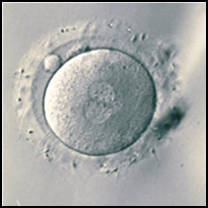
Day 1 – PRONUCLEAR EMBRYO The first day after fertilisation, two “pronuclei” are visible.
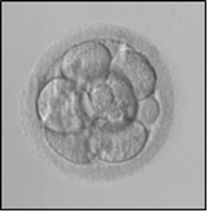
Day 3 – CLEAVAGE STAGE EMBRYO The embryo has started to divide and several individual cells are visible
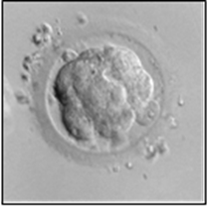
Day 4 to 5 – COMPACTED EMBRYO “MORULA” The individual cells have started to “compact” into a structure known as a “Morula”
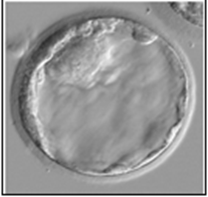
Day 5 to 6 – BLASTOCYST The compacted embryo has expanded to form a blastocyst which contains a fluid filled cavity.
Step 6 – Embryo transfer
All patients will have their embryos cultured to day 5 for embryo transfer. By waiting until day 5 we are confident we can increase pregnancy rates and reduce multiple pregnancies.
Embryo grading prior to your transfer?
All embryos that have developed to the blastocyst stage will be assessed for quality and categorized:
1. Top 2. Good 3. Fair 4. Poor 5. Very poor 6. Early
Examples of good and early blastocysts:
Good
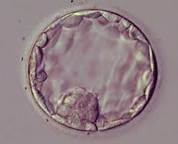
Early

The embryologist will be able to give you more information at transfer about your embryos.
How many embryos do we recommend are transferred?
The number of embryos we recommend to transfer will be based on your age, medical and fertility history and the quality of the embryos on day 5. This is to maximize your chance of success as well as to reduce the risk of a multiple pregnancy.
If you have embryos on day 5 that have not yet reached the blastocyst stage but have developed to a compacted stage embryo (morula), we might recommend having 2 embryos transferred if you are medically fit.
Some women will be restricted to a single embryo transfer to reduce their risk of a multiple pregnancy. This is because their health would be significantly compromised in a multiple pregnancy. We will discuss this with you if it is relevant to you.
Embryos that have not developed beyond the cleavage stage on day 5 do not have the potential to implant so if none of your embryos develop beyond the cleavage stage we are unable to proceed with an embryo transfer. This does not happen very often but is more likely in women aged 40 or over.
What do I/we do before coming in for embryo transfer?
Have your breakfast/lunch as usual then come to the Centre at the time arranged. Please do not wear perfume, aftershave or strong deodorants, as strong smells can be detrimental to your embryos.
What happens when I am admitted?
There may be a little time between your arrival at the Centre and being called for your transfer. Take this time to relax. When called for transfer the embryologist will tell you about your embryos. We will confirm with you again the number of embryos you wish to have transferred.
What happens when the embryos are transferred?
Before your procedure, we will ask you and your partner (if applicable) to cover your clothes with a theatre gown and remove your outside shoes and put on theatre shoes/slippers. In the transfer room, we will confirm your name and check it against your embryo with the embryologist. We will be able to show you your embryo for transfer on the monitor screen if you wish. The procedure usually only takes a few minutes and is usually quick and painless. We will use an ultrasound scanner on your tummy to check the tip of the embryo transfer catheter is in the right place. You may go home straight afterwards as resting or lying down does not improve the success rate. You may also empty your bladder!
Mostly the procedure is straightforward. However, sometimes it may take longer to pass the catheter into the womb. After the embryo transfer procedure the catheter is checked to confirm that the embryos have gone. Occasionally one or more may have stuck inside the catheter and the procedure has to be repeated.
After the embryo transfer
We advise you to lead as normal a life as possible after the transfer without doing anything too strenuous. There is no need to abstain from sexual activity after the embryo transfer. There is nothing more you can do at this stage to help the embryos to implant. Please don’t hesitate to telephone the Centre if you have any problems. Remember that we are here to support you throughout your treatment.
Embryo freezing
Sometimes we have spare embryos to freeze though this is not guaranteed. In fact, most patients do not have spare embryos to freeze. The likelihood of not having embryos to freeze increases with female age so a women aged 32 would be more likely to have spare embryos to freeze than a women aged 38. We will let you know if you have spare embryos to freeze.
We understand that there are different ways to think about your embryos whilst they are in the embryology laboratory and at this very stressful time in your treatment, it may be very difficult to decide whether or not to freeze embryos. The embryologist will discuss the quality and the suitability of your embryos for freezing with you at the time of the embryo transfer. We hope that the information below will help you with this choice.
How does the embryologist decide which embryos are of good quality?
There is no absolute test that tells us whether or not an individual embryo can make a baby. The embryologist will look at the embryos and assess how quickly each embryo is dividing and whether all the cells are dividing evenly. We always transfer the best quality embryos to give the best chance of a pregnancy.
How do we decide whether to offer you embryo freezing?
This decision is based on our experience of how embryos survive freezing.
Freezing and thawing is stressful to the cells of an embryo. For some embryos, all of the cells remain intact while in others all of the cells break up and are no longer viable. Only the best quality embryos are suitable for freezing. Poor quality embryos very rarely survive this thawing process. Thus, we only recommend freezing good quality embryos.
How many people have embryos frozen?
In the UK, no more than 1 in 4 couples will have embryos frozen. This is because not many couples have good quality embryos remaining after embryo transfer. The most likely outcome for you therefore is that you will not have embryos to freeze.
What is the chance that a frozen embryo will make a baby?
We have analysed our results by looking at all the embryos that are frozen. If your embryos survive thawing and are transferred, there is about a 30% chance of pregnancy.
There is no evidence that any babies resulting from thawed embryos have an increased risk of harm or abnormality.
Do we have to pay for freezing?
If you are NHS patients, the cost of freezing is often included in your treatment if freezing is recommended. If you decide to freeze against our recommendations, you may have to pay. The NHS usually funds storage of embryos for one year. Self-funded patients need to pay for embryo freezing. This is an additional charge to your treatment cost.
Ongoing costs
If you have a successful pregnancy, you would then need to pay for embryos to be thawed for further treatment. There is an annual fee for ongoing storage.
The costs of freezing and storage are available in our self-funded patient information.
So should we have embryos frozen?
The decision is yours and will usually depend on how you view your embryos. We hope that the information above has helped you make this decision. The embryologist will talk to you about the quality of your embryos on the day of embryo transfer and you will need to make a decision then. If you want to talk to anyone about this before then please let us know.
What do we do if we want embryos frozen?
You will need to agree to embryo freezing on your consent forms.
What happens to the embryos is they are not frozen?
Embryos that are not suitable for freezing are put into a solution that stops them growing then they are discarded.
Your embryos will not be given to another patient/couple.
Embryos may be donated to research or training but only with your written consent.
What do we have to decide later about the frozen embryos?
If you have embryos frozen, we will contact you each year to ask for your decision about ongoing freezing. If you wish to have the embryos transferred, we will see you both in the clinic to discuss this. 38% of couples decide not to use their frozen embryos. This can be a difficult decision and we would be happy to talk to you about this at any time.
Use of gametes (eggs or sperm) in the event of death or mental incapacity
When gametes or embryos are stored, we need to understand what to do with them in the event of your death or incapacity. The HFEA WT and MT forms outline the potential for posthumous storage and use on behalf of a NAMED partner. If you agree to use by your partner in these circumstances it is important to know what this means.
For men
If you want your partner to have the option to use your sperm or embryos in the event of your death or mental incapacity, then you should complete the relevant section of the HFEA MT form on your online consent portal indicating your consent to storage of sperm and/or embryos and to the use of sperm/embryos in the event of your death or mental incapacity. This will then allow your partner to be able to make decisions about the use (or disposal) of your sperm or embryos made with your sperm if they are the named partner on the MT form and have provided their own eggs to create the embryos.
The sperm or embryos cannot be used for the treatment of anyone else including through donation, as this requires separate arrangements to be made. If you have completed the relevant part of the MT form then this allows for your named partner to use stored sperm or embryos to create a child/children even if you are dead or incapable of making further decisions regarding this. This consent applies for a maximum of 10 years following that event/diagnosis or earlier if you choose a shorter period.
Please note that sperm and/or embryo storage is not always clinically indicated so you may not have any sperm or embryos in storage after your treatment is complete.
For women
If you want your partner to have the option to use your eggs or embryos in the event of your death or mental incapacity, then you should complete the relevant section of the HFEA WT form on your online consent portal indicating your consent to storage of eggs and/or embryos and to the use of eggs or embryos in the event of your death or mental incapacity. This will then allow your partner to be able to make decisions about the use (or disposal) of your eggs or embryos made with your eggs if they are the named partner on the WT form and have provided their own sperm to create the embryos.
However, your partner could only use your stored eggs or embryos using a surrogate to carry a pregnancy. For this reason your declared intention on the HFEA WT form to allow your partner to use your eggs or embryos in the event of your death or mental incapacity needs to be validated to make that provision. The HFEA WT form does not provide the necessary consent for treatment of a surrogate. For your partner to take advantage of your declared consent for use of your eggs or embryos in the event of your death or incapacity you must also have signed consent for their use in treating a surrogate. In order to consent to this you must be seen by a counsellor to make sure you fully understand the implications of this and in order for a surrogate to use your eggs or embryos you must have undergone the relevant screening tests.
This package of work is not part of NHS commissioning for fertility treatment so you must pay these costs yourself. The approximate cost is £600 but is subject to change. Up to date costscan be viewed on our website or can be requested by emailing [email protected]
Some of the screening tests need to be completed each time you create embryos so there will be an additional charge of approximately £100 for each subsequent treatment cycle where you want to give your consent for use of your eggs or embryos in the event of your death or mental incapacity.
If you give your consent for use of your gametes or embryos in the event of your death but do not complete the necessary screening and counselling your consent will not be valid.
Please note that egg and/or embryo storage is not always clinically indicated so you may not have any eggs or embryos in storage after your treatment is complete.
Risks of treatment:
Poor response
Sometimes despite our best efforts, the ovaries respond very poorly or not at all to the FSH injections and a difficult decision has to be made about stopping the treatment cycle. Often this is not unexpected, as you may have been warned that your ovarian reserve was low and that we were concerned that you would not respond to the injections. Sometimes however we are surprised when even with a predicted good response the ovaries do not behave as expected. We know that this is difficult and upsetting news to receive. Some women will have the opportunity to try again with an increased dose of FSH injections but for those women already on the maximum dose there is nothing more we can do to make the ovaries respond in a better way. If this happens to you, we will explain the scan results in detail and talk about your options. We may ask you to go away and think about the advice we are giving then return to the outpatient clinic at a later date to discuss things further.
Ovarian Hyperstimulation Syndrome
A small number of women who are having treatment to stimulate the ovaries will develop a problem called “Ovarian Hyperstimulation Syndrome” (OHSS). Overall, it affects only about 2% of women. Women with a high ovarian reserve are more at risk of developing OHSS (15-20% risk) because their ovaries are likely to respond more vigorously to the ovarian stimulation, (FSH) injections. We will tell you if you are in the higher risk group.
What is ovarian hyperstimulation syndrome?
It is a combination of symptoms including enlargement of the ovaries, swelling and discomfort in the abdomen. Often it is associated with nausea and vomiting. Although we know that it is caused by the drugs we give you to simulate the ovaries, we do not know why only a small number of women develop these problems.
The usual time to start getting problems is a few days after the trigger injection and commonly after egg retrieval.
How do we reduce the risk of OHSS?
The ovarian reserve tests (AMH level and antral follicle count) done before you start your IVF treatment help us identify women at a higher risk of developing OHSS. For these women we will use the antagonist protocol to stimulate the ovaries. This is because the antagonist protocol has been shown to reduce OHSS, but it does not remove the risk, altogether. In the antagonist protocol, we will select the appropriate dose of stimulation hormone, to try to reduce the number of follicles (that contain eggs), that your ovaries produce during stimulation. This is not always easy to control and you can sometimes under respond to the medicine. If this happens, we might stop the treatment cycle and start again on a different dose.
Even with using the antagonist protocol, it is also possible that you still produce a high number of follicles, leaving you still at significant risk of developing OHSS. Normally, in an IVF cycle, we use a hormone called hCG, to trigger egg maturation, before egg collection. However, hCG has been shown to be the main driver of OHSS. One advantage of the antagonist protocol is the option to use an agonist trigger instead of the hCG trigger. Using an agonist trigger further reduces the risk of OHSS, but pregnancy rates are lower with the agonist trigger, compared with hCG. This means that if we identify you as being at high risk of developing OHSS and decide to give you an agonist trigger, we will not proceed with a fresh embryo transfer. Instead, we will create the embryos and freeze any suitable embryos for transfer at a later date when the risk of developing OHSS has passed.
If you are following the antagonist protocol and on your final scan, prior to egg collection, you have a large number of follicles (20+ follicles of 11mm size+), you will be prescribed an agonist trigger, usually Buserelin 1mg, with the aim to freeze all suitable embryos and return at a later date for a ‘Frozen Embryo Transfer’ (FET).
Unfortunately, not everyone will have suitable embryos to freeze, due to embryo quality, as only good quality embryos will be stored.
To reduce the risk of OHSS, you will also be prescribed additional medication called Cabergoline for one week from the night of your trigger injection. Cabergoline helps to reduce the incidence of OHSS. In addition to Cabergoline, women on the antagonist protocol will be asked to recommence the Cetrotide injections from the evening of egg retrieval and continue them for one week.
Can I develop OHSS on the long protocol?
Yes, because sometimes women respond more vigorously to the FSH injections and develop a larger number of follicles than expected. This can put them at risk of developing OHSS.
If you are on the long protocol and your final scan before egg retrieval shows you have a large number of follicles, (20+ follicles of 11mm+ size) or we collect 20+ eggs at egg retrieval, we will not proceed with a fresh embryo transfer. Instead, we will aim to freeze all suitable embryos and plan a Frozen Embryo Transfer (FET) at a later date when the risk of OHSS has passed.
Unfortunately, not everyone will have suitable embryos to freeze, due to embryo quality, as only good quality embryos will be stored.
To reduce the risk of OHSS, you will also be prescribed additional medication called Cabergoline for one week from the night of your trigger injection. Cabergoline helps to reduce the incidence of OHSS.
If I follow the OHSS risk reduction plan, could I still get OHSS?
Unfortunately, yes. We will use the strategies above to reduce the risk of OHSS but some women will still get symptoms. By not proceeding with a fresh embryo transfer and using medications such as Cabergoline and Cetrotide, (antagonist protocol only) we hope that the symptoms will be milder and resolve quickly.
Can I develop OHSS unexpectedly?
Very rarely some women develop OHSS when they have not been considered at risk i.e. they have a normal ovarian reserve and they did not develop more than 20 follicles/20 eggs. Usually, these women have already had a fresh embryo transfer before any symptoms develop. If this happens, we will monitor you carefully, give you advice, and manage you according to your symptoms.
Can I develop OHSS in a frozen embryo transfer cycle?
A frozen embryo transfer cycle has no risk of OHSS.
How long do OHSS symptoms last?
If you have not had a fresh embryo transfer or you are not pregnant following the embryo transfer, the symptoms will usually resolve when you have your period.
If you are pregnant, you may continue having problems until about the second month of the pregnancy. It will then resolve completely. Occasionally, it can last longer than that.
Does OHSS affect my chances of pregnancy?
Developing OHSS after a fresh embryo transfer will have no effect on your chances of pregnancy.
If I cannot have a fresh embryo transfer will my chance of pregnancy be less when I use my frozen embryo(s)?
Reassuringly, there is no difference in the chance of becoming pregnant if we do not proceed with a fresh embryo transfer and decide instead to freeze your embryos and transfer them at a later date when the risk of OHSS has passed.
What do I do if I feel unwell?
If you are unwell and have any concerns you can contact the Nurses by telephone on 0191 2138213. If the clinic is closed, you can contact the Gynaecology team on Ward 40 at the RVI on 0191 2825640.
In particular, we need to know if you are concerned about severe abdominal discomfort, start vomiting or are unable to drink anything.
If you do not live close to the clinic, you can still call us for advice and we will advise if you need to see your local doctor. If you are admitted to your local hospital, please let us know or ask your medical team to contact us.
What treatment is given?
Symptoms of OHSS can often be managed at home with rest, pain killers and staying hydrated. If you feel very unwell or report that you have worsening symptoms, we may want you to come to the clinic or to the Gynaecology ward for assessment. A small number of women develop severe symptoms and require hospital admission. Specific treatment depends on your symptoms and may include daily blood tests, an intravenous drip to stop you becoming dehydrated and injections to thin your blood and prevent blood clots. If you collect a lot of fluid in your abdomen, it may cause you to feel very uncomfortable and under these circumstances, we may drain the fluid away using a fine needle.
How can I help myself?
Please ensure you keep yourself well hydrated by drinking to thirst and are passing a good amount of urine. If your urine is dark in colour, please try to drink some more fluids. If you feel you cannot drink any more or if you are struggling to keep fluids down you should telephone us.
Your appetite might decrease so you might find it easier to eat small meals more frequently instead of 3 main meals.
You should continue to be mobile, moving around gently such as doing some light housework or going for a short walk. You can continue to go to work if you feel able to.
Where can I get further information regarding OHSS?
Please visit the following reliable web resources from the Human Fertilisation and Embryology Authority (HFEA), Royal College of Obstetricians and Gynaecologists (RCOG) and British Fertility Society (BFS).
Some women may be at higher risk of developing OHSS as they have a high ovarian reserve or have had OHSS before and it is for this reason that they are placed on the antagonist protocol.
Multiple pregnancy and single embryo transfer
Why am I being asked about this?
Patients needing fertility treatment often consider that having 2 healthy babies in a twin pregnancy is the best outcome of treatment, but there are risks in a twin pregnancy and you need to be aware of them. The overall chance of twin pregnancy remains significant if 2 embryos are replaced. All clinics are now required by our regulators, the HFEA, to reduce this multiple pregnancy rate. We are thus giving you some information here to help you decide whether to have one or two embryos transferred.
What is the risk to the baby of being a twin?
Being a baby in a twin pregnancy is more risky.
The chance of a baby dying between 24 weeks of pregnancy and 7 days after birth (perinatal mortality rate) is:
- Singleton (one baby): 6.9 in 1000
- Twin (two babies): 27.2 in 1000
The chance of a baby having cerebral palsy is:
- Singleton (one baby): 2.3 in 1000
- Twin (two babies): 12.6 in 1000
What is the risk to the mother of a twin pregnancy?
Almost all complications of pregnancy for the mother are increased in a twin pregnancy. This includes premature delivery, problems with blood pressure, bleeding, Caesarean section and blood clots. In addition, don’t forget that looking after twins, even if they and you are fit and well, is much more difficult.
Who should have a single embryo transfer?
Those women with the greatest risk of twins are 37 or younger and are having their first treatment. This does not mean that twins do not occur in women over 37 years but it is less likely.
We can only give you a realistic estimate of your risk of twins when we know more about your embryos. That will not be until 5 days after the eggs are collected.
What is the change in pregnancy rate if I have only one embryo transferred?
Evidence shows that if you have only one embryo transferred and you have other embryos frozen and transferred later if required, your overall chance of a baby is not reduced.
Hyaluronate enriched medium for embryo transfer: EmbryoGlue®
What is EmbryoGlue?
EmbryoGlue is a medium developed for embryo transfer. It contains all the nutrients and energy sources required for embryo development together with a high concentration of hyaluronan. Hyaluronan is a natural compound found in the body, which increases in the uterus at the time of implantation. It is thought that the high concentration of hyaluronan in the medium helps implantation of the embryo.
When is EmbryoGlue used?
EmbryoGlue is the medium used to load your embryo(s) into the embryo transfer catheter. Once the catheter is positioned in your uterus your embryo(s) is transferred with a small amount of the medium.
What is the cost of EmbryoGlue?
EmbryoGlue is used in all cycles at Newcastle Fertility Centre as standard practice and will not be charged as an “add-on” to your treatment.
Why is EmbryoGlue classified as a “treatment add-on” by the HFEA?
Treatments that are performed in addition to a routine basic IVF/ICSI cycle are known as treatment add-ons. The HFEA have a traffic light system to provide a rating to treatment add-ons. Currently EmbryoGlue is rated as “amber” because there is only one high quality study showing the medium may be effective at improving chances of having a baby. Further high quality studies are required to be confident that EmbryoGlue increases the chance of having a baby.
For more information on EmbryoGlue and the HFEA treatment add-on rating, please see: https://www.hfea.gov.uk/treatments/treatment-add-ons/
What are the risks of EmbryoGlue?
There are no known additional risks for the individual undergoing treatment or the child born.
Why did Newcastle Fertility Centre introduce EmbryoGlue?
Following assessment of all published evidence, the NFC team introduced EmbryoGlue into standard practice from July 2022. The most recent Cochrane review of clinical trials found that using a medium enriched in hyaluronate probably increases the chance of a live birth from 33% to 40% within the clinical trial study populations. There are no studies showing a negative impact of EmbryoGlue on treatment outcome.
Pregnancy test
After the embryo transfer, we will give you a date to do a home pregnancy test. If the pregnancy test is positive, we will arrange a scan in 3 weeks to ensure that the pregnancy is continuing. You do not need to continue to use your pessaries. If the pregnancy test is negative, you should stop all the medications. Your period should start within a few days. We will arrange an appointment for you to discuss your future options.
Pregnancy Scan
We will offer to do a pregnancy scan about 3 weeks after a positive pregnancy test. On occasions, we may arrange a slightly earlier scan. A vaginal scan will be undertaken and we would expect to see a growing pregnancy with a small fetus and evidence of fetal heart activity. We are able to diagnose a multiple pregnancy at this scan also. Unfortunately, sometimes we pick up pregnancies that have not grown to this stage, which may be miscarriages waiting to happen or may not even be visible on ultrasound scan. In those cases, we need time sometimes to confirm a diagnosis, including occasionally of an ectopic pregnancy (one which is growing outside the womb). This further assessment may require more scans and blood tests and sometimes, specific treatment. This will be discussed with you on an individual basis but because of this possibility we would advise that you make no firm plans to be away from home until we have had the opportunity to confirm that all is well with your pregnancy or undertake any necessary treatment if not. This can be a very anxiety provoking appointment. However, you can bring someone with you. If you do attend alone, our staff will explain everything that they see and instructions on what to do next.
Will the baby be normal?
This is a question that all parents ask during a pregnancy. If you conceive naturally, there will be a 3-5% chance of having a baby with congenital abnormality. This increases to 4-7% if you have a baby after IVF/ICSI but the absolute risk still remains low. Many babies have now been born after being conceived by ICSI and there is no conclusive evidence that they have a higher rate of abnormality than IVF children. The oldest individuals conceived by IVF or ICSI are not yet into middle age so there will still be ongoing studies that you may hear about in the future.
What do we do if treatment fails?
You will be sent an appointment to come back to the clinic to see a nurse or doctor to review your treatment. Unfortunately, most treatment cycles will not be successful in achieving a pregnancy. The estimated success rate is discussed in detail prior to the start of treatment. We are aware of the great disappointment you may feel if your treatment fails. People cope with this in different ways. If you wish to talk to us, please phone at any time and we would be happy to see you. A counselling service is available if necessary.
Training
We train laboratory staff in routine techniques and the HFEA consent forms you complete before treatment will ask if we can use your eggs, sperm or embryos to help in this training of the next generation of practitioners and embryologists. The eggs, sperm and embryos used for training are those that are not needed for your treatment and would otherwise be allowed to perish. The techniques we train staff in are embryo biopsy, freezing, thawing, injection and handling of sperm, eggs and embryos.
If you agree, you can vary or withdraw consent up until the point at which your eggs, sperm or embryos are used in training. Whether or not you agree will have no impact on your clinical treatment in any way. Our principal aim is to help you achieve a family and the training that we carry out will not alter your chances of a pregnancy. Cells that are used in training cannot be then used for treatment and will be allowed to perish.
If you wish to know more about our training procedures, we would be happy to discuss this with you when you come to the clinic.
Research
This Centre has an active research program because we believe that there are still too many unanswered questions about early human development. We undertake studies that are aimed not only to improve your treatment but also to develop new treatments that may help others in the future. We carry out surveys about your views on your problems and at the treatments offered. We will ask you when you first come to discuss treatment if you have objections to donating cells to research. If so, we will respect that decision without question and we will not ask you about it again, and your decision.
If you wish to know more about our research, we would be happy to discuss this with you when you come to the clinic.
Contacting the team
If you have any questions or concerns throughout your treatment, the best way to contact the team is by emailing [email protected]
For more urgent queries, our telephone line is open 8am to 4.30pm Monday to Friday. We do our best to answer your call as soon as possible but we are a very busy service so we may not always have someone available to speak with you immediately. If the line is engaged, please try again later or use the nurse email address above. The telephone line is often quieter in the afternoons.
Outside of these hours, there is an on-call doctor available to speak to in emergencies only on 0191 2568240. The on-call doctor is not able to change clinic appointments or to answer general queries that are not urgent. These types of calls must be made during clinic opening hours.
Patient feedback
We welcome your opinions and feedback on areas you feel have gone well or suggestions you may have to help us improve our service. If you have any problems during your treatment or are unhappy with the care you are receiving please contact the Senior Sister (Stacey Turnbull) on 0191 2138213. Fertility treatment is sometimes upsetting and frustrating particularly when things do not go quite to plan or you do not get the outcome you had hoped for. Sometimes having a chat with us will help relieve some of the tension and frustrations you may be feeling. We are always willing to listen.
Data Sources:
World Health Organization (WHO),
Human Fertilisation & Embryology Authority (HFEA) & Local Policies.


