

A SPECIALIST nursing team are encouraging people across the North East to make their organ donation decision known and share it with their loved ones as Organ Donation Week gets underway.
‘Wey aye, I donate’ – adapted from the national ‘yes I donate’ NHS Blood and Transplant campaign – aims to highlight the life-saving impact of organ donation and encourage more people to record and discuss their wishes.
As home to one of the country’s leading transplant centres, Newcastle Hospitals sees first-hand the difference organ donation makes to patients and their families.
Every year, organ transplants save and transform thousands of lives across the UK. However, more than 8,000 people are currently waiting for a transplant, and more than 400 people died in the past year before a suitable organ became available.
Throughout this week (21 to 28 September), we will be sharing stories from transplant recipients, donor families and healthcare professionals to raise awareness of the vital role organ donation plays in giving patients a second chance at life.
The campaign’s key message is simple, whatever your decision about organ donation, make sure your loved ones know it.
Dominic Manning, specialist nurse in organ donation said: “Organ donation changes and saves lives and leaves a lasting legacy for the families of those that go on to be organ donors. Organ donation is rare so it’s important that as many people sign the organ donor register as possible.
“9 people die each week waiting for a transplant and each donor could save up to 9 lives. It only takes two minutes but means that you could save someone’s life, so please confirm your decision on the organ donor register and let your families know what your decision is.”
Organ donation offers hope to people living with life-limiting illness and can transform the lives of those awaiting a transplant. Organs that can be donated include the heart, lungs, kidneys, liver, pancreas and small bowel, while donated tissue can help restore sight, support recovery and improve quality of life for many others. Registering a decision and sharing it with loved ones can help ensure those wishes are understood and respected.
People who wish to be an organ donor are encouraged to record their decision on the NHS Organ Donor Register, which remains the clearest way to make their wishes known.
Specialist nurses for organ donation can only access this information when end-of-life care has begun.
For more information, or to record your organ donation decision, visit www.organdonation.nhs.uk.
Find out more from our staff about working in organ donation
Jayne Lomas, Nurse specialist in eye donation
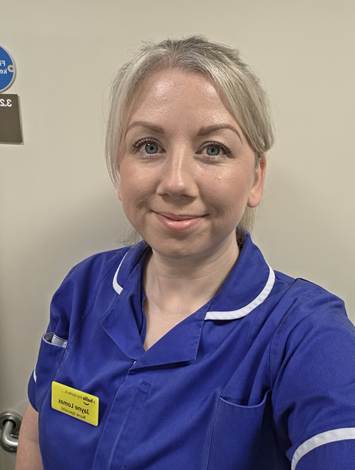
Having spent over 10 years working on the Ophthalmology ward and more recently as Nurse Specialist in Cornea Donation, I have the unique and privileged position to have seen both sides of the donation story. I have witnessed the life changing impact corneal donation can have for both recipient and donor families.
Cornea diseases, often cause by injury, infection, or hereditary conditions, can be extremely painful as well as causing vision loss, requiring ongoing clinical care and emotional support. Recipients may not have seen their loved ones faces, been able to work, go out alone, or carry out day to day tasks many of us take for granted such as preparing a meal. Corneal donation from a deceased donor can be their only option to re store sight and relieve pain and suffering.
In my experience relatives that make the generous and selfless decision to donate, gain a lot of comfort knowing they have contributed to something so positive. Providing the donor family with a sense of purpose and a positivity in a time of grief. It is this incredible gift of giving that literally transforms lives, and as a nurse being part of the process is a privilege. I have witnessed recipients seeing their child’s face clearly for the first time, returning to a career they love, being able to drive, walking outside alone and being able to feed their family.
We need 70 donations a week to meet the demand for these sight saving transplants, but there is often a deficit in donated corneas in the UK. Currently over 6,000 patients in the UK are waiting for corneal transplants with an average wait time of 18 months. Many more people would benefit from sight-saving, pain reducing surgery if more corneas were donated. Give the gift of sight.
Bryan Vernon, Chair of the Organ Donation Committee at Newcastle Hospitals
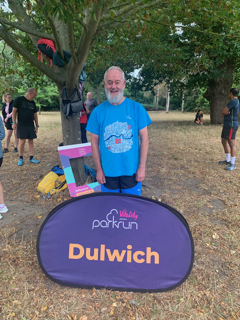
“It’s sixty years since one of my kidneys was removed after trauma. I am grateful for an enriching healthy life. Organ donation is one of the ways I can enhance the health of others so that they can also enjoy life to the full.”
Julie Storey, Team lead, Transport driver for IMT
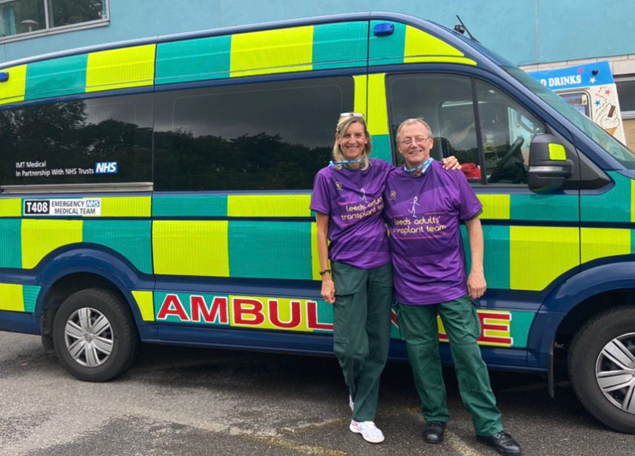
For me, organ donation is something very close to my heart, both personally and professionally.
I work as a transplant driver, so I have the privilege of playing a small part in a journey that can ultimately change someone’s life forever. Every journey I make represents something much bigger — a donor, a family who has made an incredibly difficult decision, and somewhere at the end of that journey, a person waiting for the chance of a new beginning.
But organ donation means even more to me because I have friends and family who have personally benefited from transplantation. I’ve seen first-hand the difference that the gift of an organ can make — not just to the recipient, but to everyone who loves them. It can mean more time together, more memories. It’s a 2nd chance at life.
Working in transplant has given me an even greater appreciation of what happens behind the scenes. There is a huge team of people involved, all working together against time, but at the heart of it all is an incredibly selfless decision made by a donor and their family.
I feel incredibly proud to be a small part of that process. I know that when I’m transporting an organ, I’m not just driving from A to B. I’m helping carry someone’s hope for the future.
During Organ Donation Week, I hope more people will take a moment to talk to their loved ones about organ donation and make sure their wishes are known. One decision could give another family something truly priceless
Philip Seeley, Transplant co-ordinator
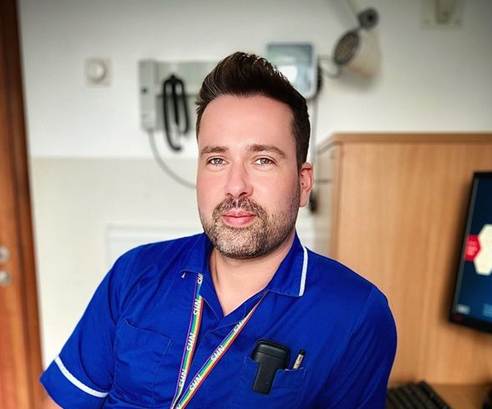
I am a heart and lung Transplant Coordinator for both adults and children. I work as part of a specialised team of various disciplines during the transplant pathway, with each member of the team having a part to play in the journey the recipient goes through.
No two days are the same and whilst there is a lot of positivity and success in heart and lung transplantation there is sadly some scenarios and situations which can be tough and difficult. I am therefore extremely lucky and honoured to work with such a supportive and resilient team but even more so to be a part of the recipients life changing gift.
There would not be the possibility of transplantation without the donations from those brave and heroic individuals and family’s who donate their own/or their loved ones organs – ‘The gift of life’, to save another and for that I have the upmost respect and deepest gratitude so to those who have and those who will, I say thank you.
Janie Shaw, Intensive care staff nurse – Ward 18
For me, being part of the Organ Donation journey is both a privilege and a deeply humbling experience. Through compassion, dignity and respectful care, we support families through an incredibly difficult time and help honour their decision to give the greatest gift imaginable. It reminds me that nursing is not only about caring for the patient in front of us, but also about supporting their loved ones and recognising the lasting impact one person can have on another’s life. To be a part of that journey is something I feel incredibly proud of.
Aimen Amer, Clinical lead for organ retrieval and clinical lead for organ utilisation
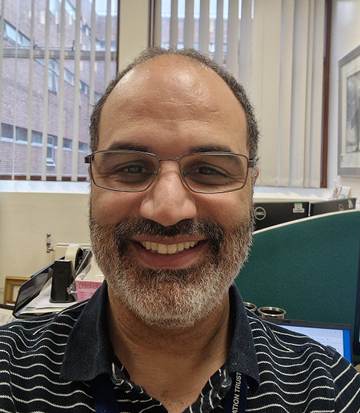
Working in organ donation and transplantation means being involved in an extraordinary journey. As a retrieval and transplant surgeon, I have the privilege of seeing both sides of that journey — from the generosity of a donor and their family at an incredibly difficult time, through to the moment that gift transforms the life of someone waiting for a transplant.
Retrieval is very much a team effort, involving people from many different professions working together, often under significant time pressure and in the middle of the night. Despite that, it is important never to lose sight of the person and family behind every organ we retrieve. Their decision to donate is what makes everything that follows possible. Being trusted to play a small part in that process remains one of the greatest privileges of my job.
Helen Cameron, Liver and kidney transplant co-ordinator
Working with patients who choose to donate their kidneys—to friends, family members, or even strangers—brings me great fulfilment every day. Being part of a process that can transform and extend someone’s life is deeply rewarding. Witnessing the positive impact of organ donation and the renewed hope it brings to recipients truly makes each day brighter and more meaningful.
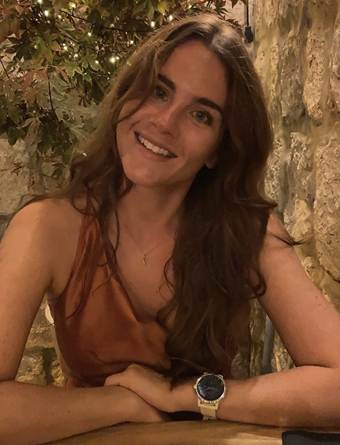
Huw McConnell, Intensive care consultant ward 18 & clinical lead for organ donation
One of the most rewarding parts of being an ICU consultant is seeing organ donation transform devastating loss into hope. Knowing that, from an irreversible tragedy, several other people may be given the chance of a future is profoundly meaningful — and one of the most humbling aspects of intensive care.
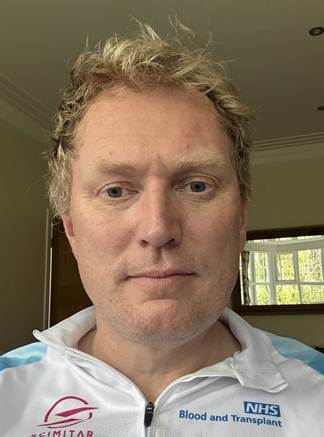
Lue (Louise) Woodgate, Paediatric intensive care consultant (cardiac and general)
Organ donation provides a ray of sunlight at the end of a very dark tunnel both for donor and recipient families. I have the privilege of working with both families who are facing the loss of a child or young person and those who are waiting for the gift of an organ to save their child. I am humbled by the families who in their darkest hour, when they know that they are going to lose their child, are able to give the gift of life to another child and their family. I am in awe of your courage and bravery and no words will ever be able to express my gratitude. I also get the pleasure of seeing the joy that this gift gives to those children who are awaiting a lifesaving organ, often having spent many months or years in hospital being attached to machines, and the opportunity to leave hospital and begin their lives that this amazing gift has afforded them.
I also want to remember the many individuals involved in the process of organ donation who without them these lifesaving acts would not be possible. Thank you for all your dedication, compassion and skill.