



A FAMILY whose baby daughter is part of an important research study that could help prevent type 1 diabetes are encouraging other parents to get involved.
Type 1 diabetes is a condition where the pancreas makes insufficient insulin, a hormone which helps the body use glucose (sugar) for energy. It affects over 9 million people across the world, including 1.5 million children.
Around one in every 250 children born in the UK develop type 1 diabetes. There’s no cure for the condition and it needs daily treatment involving injecting insulin to help control blood sugar levels.
The INGR1D2 research study identifies infants at higher genetic risk (one in 10 or more) of developing type 1 diabetes. The research involves an extra test on the blood collected as part of the newborn blood spot screening (also known as the ‘heel prick test’) when a baby is around five days old.
Because the heel prick test is offered as routine NHS care, no additional needles or bloods are required.
“Felt like the natural thing to do”
For Brandon and Emma, the parents of Robin who is now 17-months-old, taking part in the INGR1D2 study felt like the “natural thing to do”.
Brandon’s mum and Grandma have type 1 diabetes, so he wanted to do everything possible to help his daughter from developing the condition.
“Two of my close family members have type 1 diabetes and I know how difficult it is to live with,” he said.
“When the team at the RVI told me and Emma about the trial, we didn’t hesitate to take part. Anything we can do to help identify Robin’s risk as early as possible is worth doing.”
Over 40,000 newborn babies have now taken part across the country, with 287 identified so far as being in the higher genetic risk group.
INGR1D2 is led by Newcastle Hospitals and is taking place in 18 hospitals across the country, including eight trusts with maternity care in the North East and north Cumbria.
In Newcastle, the trial is taking place at the National Institute for Health and Care Research Clinical Research Facility, based at the Royal Victoria Infirmary.
Prevention before symptoms appear
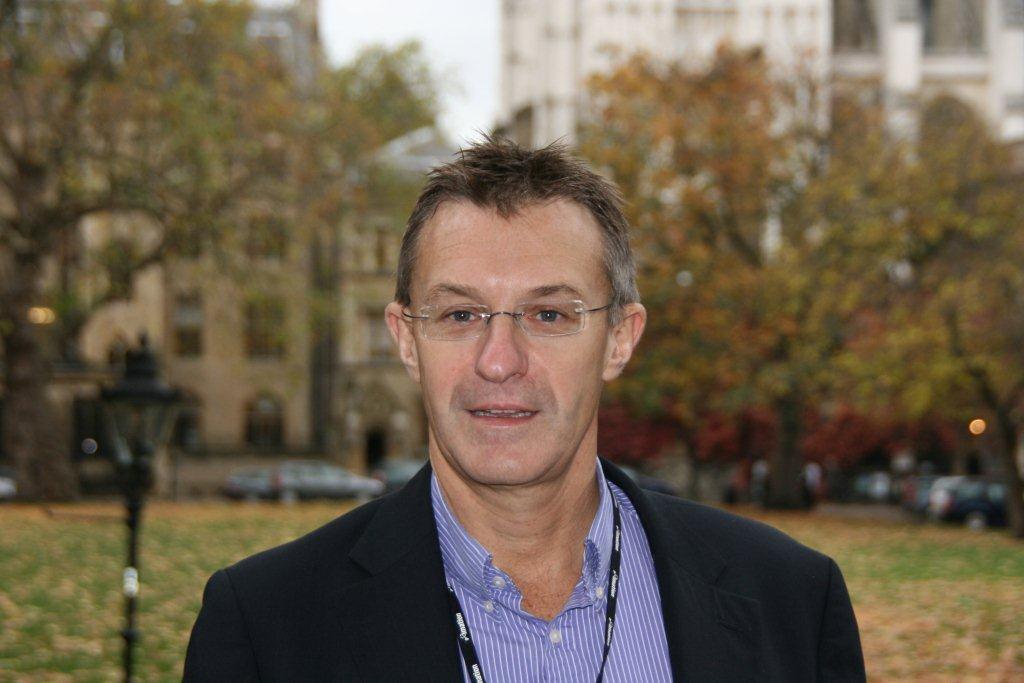
Professor Stephen Robson, honorary consultant obstetrician at Newcastle Hospitals and professor of fetal medicine at Newcastle University, is the study’s national lead. He said:
“We want to research ways to prevent the things that can trigger type 1 diabetes in those at risk, long before symptoms develop and insulin treatment is needed.
“Currently the NHS does not routinely screen babies for their genetic risk of type 1 diabetes, so INGR1D2 gives parents information that they would not otherwise have.
“We hope in future that we can use the INGR1D2 model to run other studies for childhood disorders that could be identified before they develop.”
Extra monitoring from health specialists
Parents of babies who are identified as higher risk are also offered the opportunity to take part in a further research study, AVAnT1A (AntiViral Action Against Type 1 Autoimmunity). This assesses whether vaccination against COVID from the age of six months can prevent type 1 diabetes from developing.
During the COVID-19 pandemic, researchers found that children who had the virus before the age of 18 months were five times more likely to begin developing type 1 diabetes.
The vaccine is well-tolerated and approved as safe for this age group. Participants are randomly assigned to two groups, one group receives the COVID-19 vaccine, and the other receives a placebo (dummy) injection.
Babies taking part in AVAnT1A receive extra monitoring from childhood diabetes specialists so that, if type 1 diabetes begins to develop, it can be found and treated as early as possible.
Baby Robin was found to have a higher genetic risk of developing type 1 diabetes and is now taking part in the AVAnT1A study.
Mum, Emma, said: “When we were told about the study, I had this vision of lots of machines and extra tests, but our experience has been totally different. The team at the Clinical Research Facility is great and Robin gets lots of time to play when she visits for appointments.”
If you would like to know more about INGR1D2 and AVAnT1A, please visit the study website.
Listen to Brandon and Emma talk about their experiences of daughter Robin being involved in research:
- Both studies are funded by The Leona M. and Harry B. Helmsley Charitable Trust and administered by the Global Platform for the Prevention of Autoimmune Diabetes (GPPAD).
- The incidence of type 1 diabetes is increasing globally. GPPAD provides an international platform focused on research that aims to develop treatments that can stop people from developing type 1 diabetes in the future.


