

Newcastle Hospitals is part of a major UK clinical trial to test whether proton beam therapy (PBT) can significantly improve survival for patients with mesothelioma, a rare and aggressive cancer of the lining of the lung.
The HIT-MESO trial, led by University College London Hospitals and University College London, is the first randomised clinical trial in the UK to investigate proton beam therapy for mesothelioma.
No cure and poor survival rates
Researchers hope the treatment could increase two-year survival rates from around 30% to 50%, potentially reshaping national treatment guidelines.
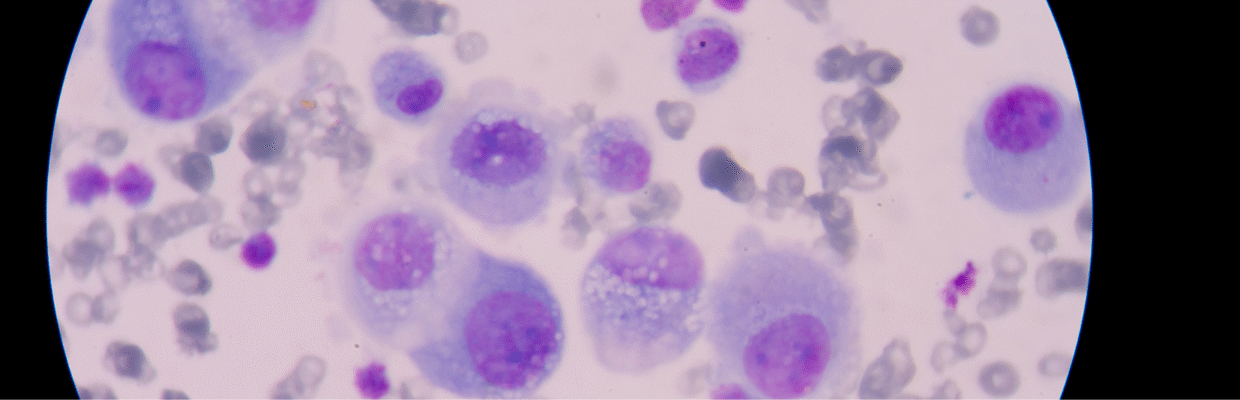
Mesothelioma is usually caused by asbestos exposure and most commonly affects the lining around the lungs (pleural mesothelioma). More than 2,700 people are diagnosed in the UK each year, predominantly older men. There is currently no cure, and treatment options are limited, with overall survival rates remaining poor.
Standard radiotherapy can help control small areas of mesothelioma, such as painful tumours, but is not usually suitable for treating the full lining of the lung, where the disease spreads.
Treating such a large area with conventional radiotherapy risks damaging vital organs including the heart, lungs and liver, leading to serious side effects. Proton beam therapy uses targeted beams of protons that deposit most of their energy directly in the tumour, minimising radiation exposure to surrounding healthy tissue.
For mesothelioma, this approach could dramatically reduce radiation to critical organs, potentially allowing more effective treatment with fewer side effects.
“One of the most challenging cancers”
Dr Crispin Hiley, chief investigator of the HIT-MESO trial, UCLH consultant oncologist and associate professor at the UCL Cancer Institute said: “Mesothelioma is one of the most challenging cancers we treat. Conventional radiotherapy simply cannot safely cover the full area affected by the disease without causing unacceptable harm to healthy tissue.
“Proton beam therapy allows us to deliver high-dose radiation far more precisely, sparing critical organs like the heart and healthy lung. Through this trial, we hope to show that this approach can significantly improve survival and quality of life for patients. If successful, it could fundamentally change how mesothelioma is treated in the UK.”
The HIT-MESO trial aims to recruit up to 148 patients from 23 NHS centres across England and Wales, including the Freeman Hospital where it is being led by Dr Helen Turnbull, consultant clinical oncologist. She said:

“We’re really pleased to be involved in this trial and offer eligible patients in the region the opportunity to take part.
“Treatment options for mesothelioma are limited, and standard radiotherapy is mainly used to help alleviate symptoms.
“This trial uses proton beam therapy, which allows us to deliver high dose radiation more precisely, sparing the surrounding organs.
“We hope that the results of the trial make a difference to patients with this rare and aggressive cancer.”
Participants receive daily proton beam therapy, Monday to Friday, for five weeks, at either UCLH or The Christie NHS Foundation Trust in Manchester. Around 50 patients have already been recruited.
The trial, which is supported by the National Institute for Health and Care Research (NIHR) UCLH Biomedical Research Centre and delivered by the UCLH Cancer Clinical Trials Unit, is open to patients whose mesothelioma is confined to the lining of one lung and who have not yet received anti-cancer treatment.
If successful, the HIT-MESO trial could lead to proton beam therapy becoming a new standard treatment for selected mesothelioma patients, offering improved survival and better quality of life.
- The HIT-MESO trial is sponsored by University College London and funded by Asthma + Lung UK.


