

Newcastle Hospitals is marking a major service milestone in its care and treatment of patients with an ultra-rare kidney condition.
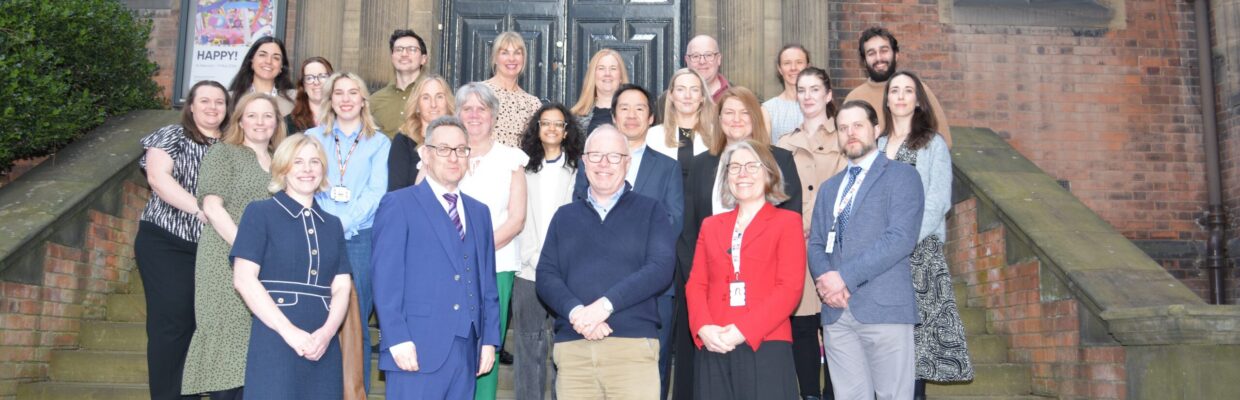
This Wednesday (24 September) is National aHUS – atypical haemolytic uraemic syndrome – Awareness Day and the team who provide this national service are celebrating their 10th anniversary year.
The service was commissioned by NHS England in 2016 in recognition of the pioneering research and clinical expertise developed in Newcastle, which helped transform the diagnosis and treatment of the disease.
Based at Newcastle Hospitals’ National Renal Complement Therapeutics Centre, the service provides specialist diagnosis, treatment and care coordination for patients with aHUS across England.
The centre was established following ground-breaking research by Newcastle clinicians and scientists, who identified key genetic factors responsible for the condition and helped pave the way for life-changing treatments that have dramatically improved outcomes for patients worldwide.
aHUS is a rare and potentially life-threatening disease that causes the body’s immune system to attack its own blood vessels, leading to blood clots, kidney damage and, in some cases, organ failure.
Before the introduction of targeted treatments, many patients developed end-stage kidney disease requiring lifelong dialysis, while kidney transplantation was often unsuccessful because the disease could return in the transplanted organ.
As the service celebrates its first decade, there is further good news for patients and families. Newcastle Hospitals has secured significant NHS England funding to introduce a new model of care that will further enhance support for people living with the condition.
Newcastle Hospitals, in partnership with Newcastle University, conducted clinical trials into the pioneering drug, eculizumab, which led to the NHS approving the treatment from 2015.
More recently, an NIHR-funded study found that many patients can safely stop eculizumab after six months of treatment, with most remaining relapse-free. As a result of this evidence, NHS England has adopted a new approach to aHUS care, combining time-limited treatment with ongoing monitoring.
The investment will support the delivery of this redesigned service, ensuring patients continue to receive highly specialised care while benefiting from a more personalised and flexible treatment pathway.
The anniversary also follows national recognition for members of the centre’s leadership team, Christine Maville and Professor David Kavanagh.
Professor Kavanagh, director of the National Renal Complement Therapeutics Centre, was awarded the UK Kidney Association’s Chandos Award 2026, given in recognition for his contributions to complement biology in renal disease and the profound impact of his research on the diagnosis and treatment of complement mediated kidney disorders.
Professor Kavanagh commented: “For 25 years, Newcastle has led the world in aHUS research, discovering the cause of the disease and turning that insight into a treatment that has transformed lives. A decade ago, the NRCTC was founded to bring this breakthrough directly to patients across the UK, delivering personalised care and allowing the very patients who first donated samples for research to benefit from this research within their own lifetimes. Today, this partnership continues to drive global advances in complement-mediated kidney disease.”
Christine Maville, nurse consultant at the NRCTC, was named Renal Nurse of the Year at the British Journal of Nursing Awards 2026 in recognition of her work improving care and outcomes for patients with aHUS.
Christine has led initiatives that have helped reduce the treatment burden, improve patient safety and enhance the overall experience of people living with the condition. Her work has also contributed to significant savings for the NHS while ensuring patients continue to receive the highest standard of specialist care.
Christine said: “Living with a rare condition such as aHUS can be incredibly challenging for patients and their families. It is a privilege to support them and to work alongside such a dedicated team. This award reflects the commitment of everyone involved in delivering care through the national service.”
National aHUS Awareness Day is also an opportunity to highlight the importance of timely referral to specialist services. Because aHUS is extremely rare and can progress rapidly, early diagnosis and access to expert advice are crucial to achieving the best possible outcomes.
The Newcastle-based national service works with hospitals across England and Scotland to provide specialist diagnostic support, treatment recommendations and ongoing management for patients with suspected or confirmed aHUS.
As Newcastle Hospitals looks ahead to the next decade, the team hopes increased awareness of aHUS will help ensure patients are identified quickly and referred to the nationally commissioned specialist service, giving them access to the expertise and treatments that have transformed lives over the last 10 years.


