



Heart experts at Newcastle Hospitals are part of a national heart surgery trial involving more than 30 centres across the UK.
The AFFECT trial is designed to identify the safest and most effective blood-thinning treatment to use after heart valve surgery for patients who also have a heart rhythm problem.
Condition affecting thousands
Each year, thousands of people in the UK have surgery for mitral regurgitation where the mitral valve fails to close tightly, allowing blood to leak backward into the left atrium instead of pumping forward to the body. This forces the heart to work harder, which can lead to fatigue, shortness of breath, and potential heart failure.
If patients also have a heart rhythm issue, such as the heart beating too fast or too slow, they usually need blood-thinning medication to reduce their risk of having a stroke or other complications after surgery.
Current guidelines recommend using a vitamin K antagonist (VKA), such as warfarin, which help to prevent harmful blood clots.
Now, a newer group of medicines, known as direct oral anticoagulants (DOACs) are widely used. While both treatments are effective, researchers do not know which option offers the best long-term outcomes for patients.
Comparing treatment options
The AFFECT study aims to recruit 1,282 adults who are having mitral valve repair surgery and will be randomly allocated to receive either a DOAC or a vitamin K antagonist.
Treatment will start before patients leave hospital and they will then be closely monitored for at least 12 months, with further annual check-ups for up to four years.
Researchers will assess a range of outcomes, including stroke prevention, quality of life and cost-effectiveness.
Eligible patients will be invited to take part by their clinical teams. More than 130 patients have already signed up and started treatment.
AFFECT is led by the Middlesbrough hospital’s Academic Cardiovascular Unit (ACU) and has received funding from the National Institute for Health and Care Research.
“Much-needed evidence”
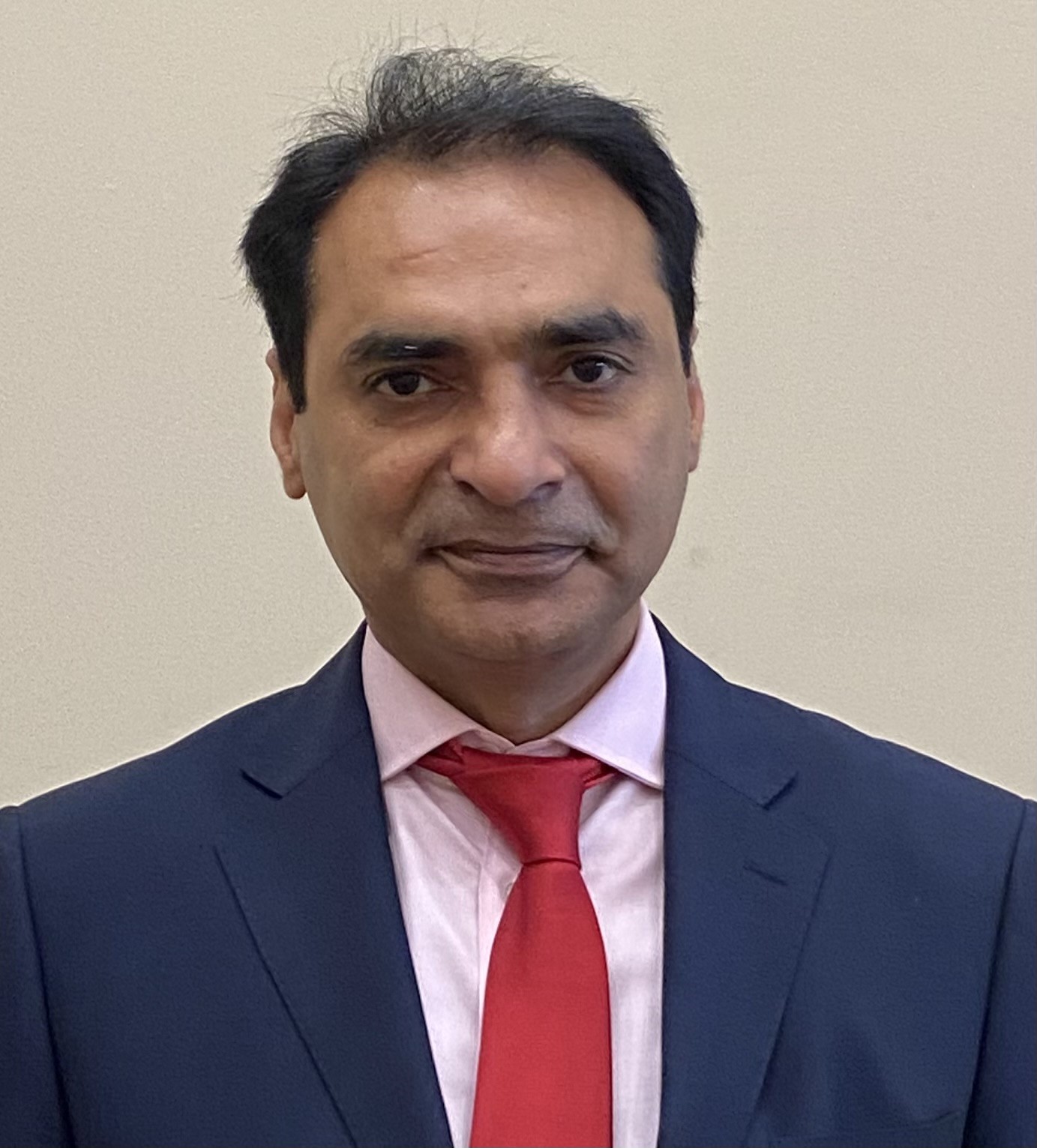
Mr Asif Shah, consultant cardiothoracic surgeon at the Freeman Hospital, said:
“We’re pleased to be able to offer patients the opportunity to take part in the AFFECT trial.
“We hope that the trial will provide much-needed evidence in this area and determine best treatment options for patients in the future.”
In Newcastle, the trial will be supported by the cardiovascular research team, based at the Freeman Hospital.
Professor Enoch Akowuah, chief investigator for the AFFECT trial at University Hospitals Tees, said: “This is an important question for both patients and clinicians.
“We know anticoagulation is essential for patients with atrial fibrillation after mitral valve repair, but we do not yet know which treatment offers the best balance of safety and protection.
“The AFFECT trial will provide high-quality evidence to guide national treatment decisions and improve long-term outcomes for patients across the UK and internationally.”


