


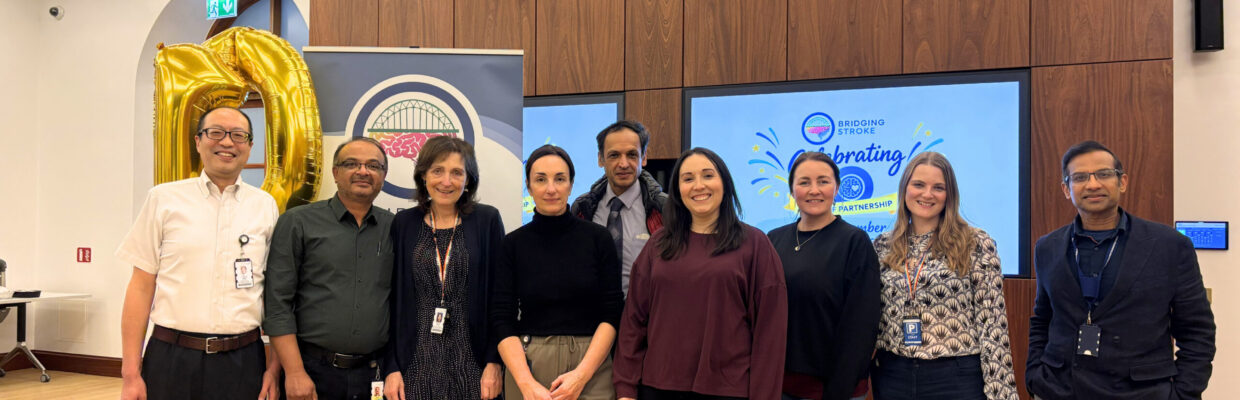
Patients, clinicians and partners are celebrating ten years since the introduction of a hyperacute stroke service that has transformed emergency care for people experiencing a stroke across Newcastle and Gateshead.
Launched in November 2016, the Hyperacute Stroke Unit (HASU) is jointly delivered by Newcastle Hospitals NHS Foundation Trust and Gateshead Health NHS Foundation Trust’s Queen Elizabeth Hospital. By bringing together expertise and resources from both organisations, it provides greater access to specialist assessment and treatment.
The HASU was established following several years of planning and collaboration between healthcare leaders and clinicians. Growing workforce pressures had made it increasingly difficult to maintain sustainable services across multiple hospital sites, with concerns that patients could face being diverted outside their local area for treatment.
A decade on, the partnership has provided specialist stroke care to 11,936 patients, giving them rapid access to assessment and treatment when every minute matters. Patients have better access to emergency treatments, advanced imaging and diagnostics, specialist interventions and opportunities to take part in clinical research.
The model has also created a more sustainable consultant rota, helping to ensure more consistent access to complex care.
Over the last 10 years stroke care has continued to evolve. Advances in imaging, including CT perfusion and automated reporting software, mean the team can identify more patients who may benefit from emergency treatment.
Other significant advancements include a new clot-busting medication, which previously took more than an hour to infuse and can now be given as a bolus in just a few minutes. This gives the team precious time to restore blood flow to the brain following an ischaemic stroke.
Research is also an important part of the service. In 2022, the unit recruited the first patient in Europe to a groundbreaking trial into strokes caused by bleeding in the brain, while new technology is helping the team provide specialist stroke care remotely.
For one patient, John Wilcock, the importance of receiving specialist treatment quickly became clear when he experienced a stroke in April 2025 and was rushed to the RVI for treatment. After receiving medication to clear his clot, he made a remarkable recovery and was able to return home just two days later.
John said: “I cannot express how thankful I am for the speedy treatment and care I received. I feel incredibly fortunate to have made such a good recovery, and I hope sharing my experience helps people understand just how important it is to recognise the signs of a stroke and get treatment as quickly as possible.”
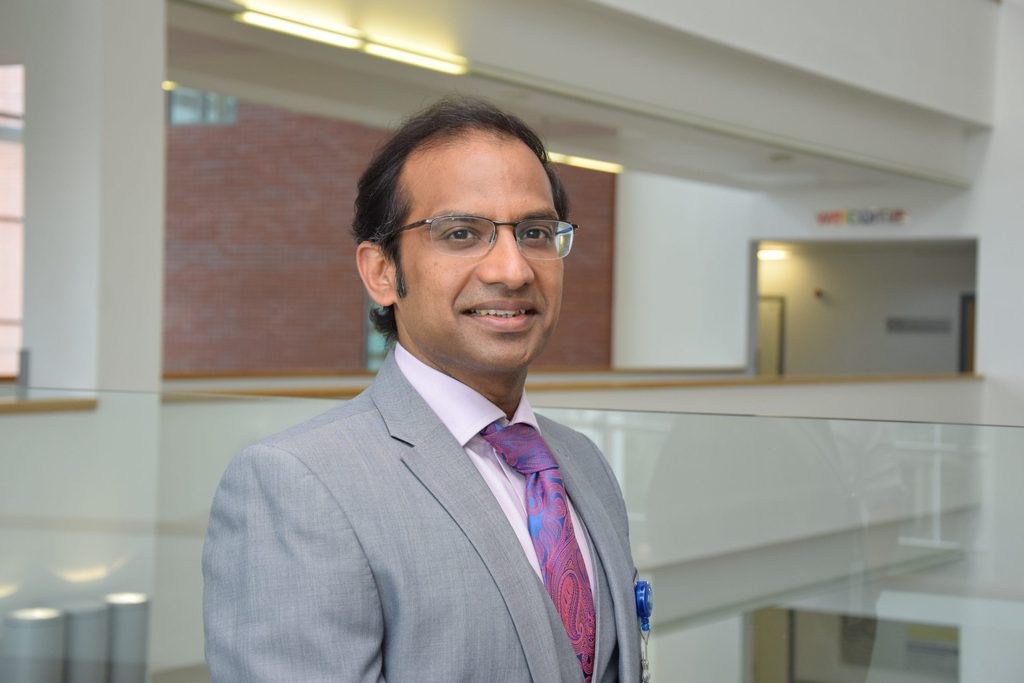
Dr Anand Dixit, consultant stroke physician at Newcastle Hospitals, commented: “Perhaps one of the most significant achievements of this initiative has been the development of an exceptionally strong research culture. By bringing together clinical expertise, infrastructure and a committed workforce, we have established one of the country’s leading hyperacute stroke research centres, consistently achieving high recruitment performance in complex clinical trials.
“We have developed what is recognised as one of the largest and most research-active hyperacute stroke teams in the country, providing an exemplar model of how clinical service integration can create an environment where research and clinical excellence thrive together.”
The impact of the service extends beyond acute treatment. Since its inception, staff, patients and supporters have worked together to enhance stroke care and patient experience through charitable fundraising and community support initiatives.
One of these is the Bridging Stroke Charity Fund, founded by Dr Dixit and launched alongside the HASU as part of Newcastle Hospitals Charity. Ten years on, it continues to support patients and services by funding improvements that go beyond core NHS provision.
As the service marks its tenth anniversary, teams across Newcastle and Gateshead are continuing to embrace advances in treatment, research and technology, helping to give more patients the best possible chance of recovery.


