

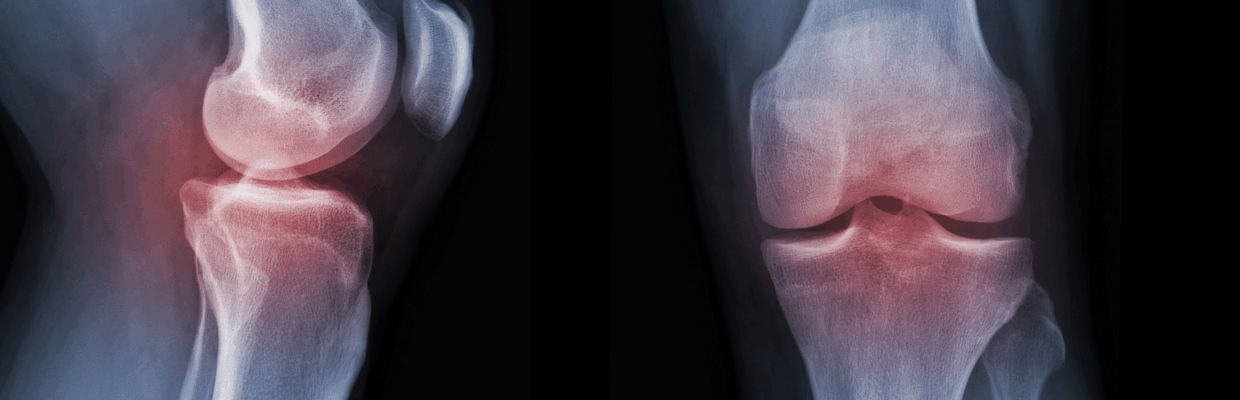
Patients with rheumatoid arthritis increased their leg muscle volume when treated with an anti-rheumatic drug, offering new hope for improved muscle health.
Teams from Newcastle Hospitals and Newcastle University led the research which involved 15 patients with sarcopenia, a progressive, age-related disease that causes loss of muscle mass and strength.
Sarcopenia is commonly seen in patients with rheumatoid arthritis where chronic inflammation contributes to the loss of muscle mass and strength. Currently, there are no approved medicines to reverse the effects of the condition.
As part of the RAMUS trial, 15 patients were given tofacitinib, a type of Janus kinase inhibitor (JAK). These medicines work by blocking immune system signals that lead to inflammation seen in conditions like rheumatoid arthritis.
The research, published in prestigious journal, The Lancet Rheumatology, show that, after six months, participants’ muscle volume had increased by 4% for the whole leg, equating to an average increase of 242 cm3, and by 5% for the thigh.
Exciting potential
Alongside the increase in muscle volume, the RAMUS study also reported changes in the gene expression in muscle tissue with treatment, which were opposite to changes seen in ageing muscle.
Dr Joshua Bennett, National Institute for Health and Care Research (NIHR) clinical lecturer at Newcastle University, paediatric rheumatology registrar at Newcastle Hospitals, and lead author of the paper said:
“This small study is the first to show that JAK inhibitor drugs may be able to reverse sarcopenia in rheumatoid arthritis. We know that sarcopenia is also seen in many other diseases and in old age, but no drugs have been approved to reverse it. Larger studies are now needed to test our findings, but it is exciting to think of the potential for these drugs to treat muscle wasting.”
RAMUS was supported by the NIHR Newcastle Clinical Research Facility and the NIHR Newcastle Biomedical Research Centre.
The primary study was funded by Pfizer, with The BMA Foundation, the JGW Patterson Foundation and Newcastle Hospitals Charity also contributing.
13 patients experienced adverse events, the majority of which were mild. The team say a larger, follow up study is needed which would include a control group.
Growing evidence
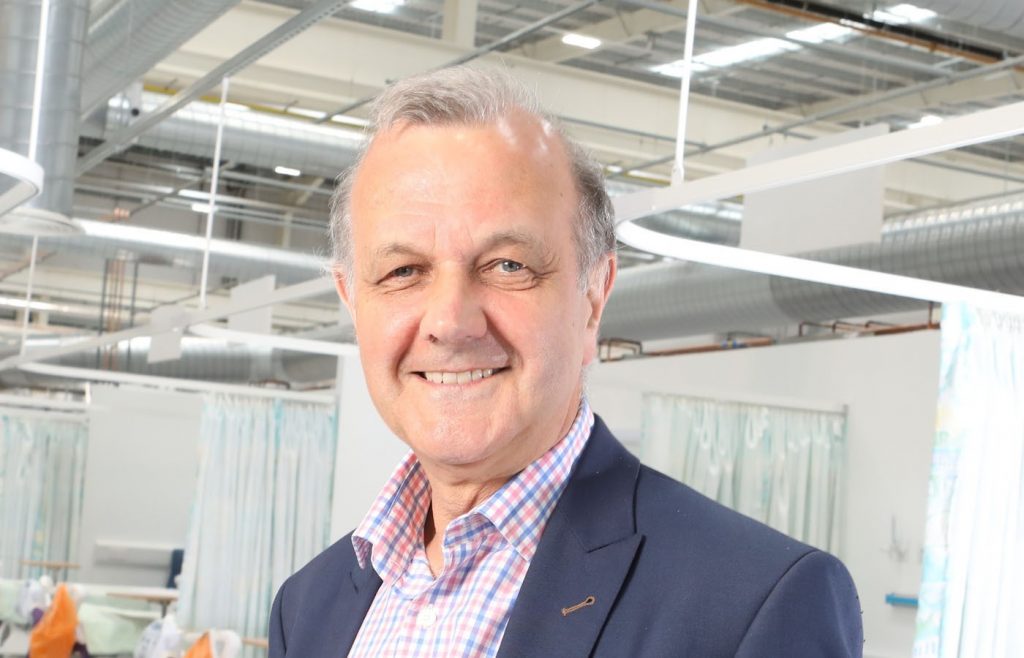
Professor John Isaacs, professor of clinical rheumatology, Newcastle University, director of research at Newcastle Hospitals and deputy director of the National Institute for Health and Care Research (NIHR) Newcastle Biomedical Research Centre (BRC) who led the study added:
“Our findings support growing evidence that inflammation, as evidenced by pro-inflammatory cytokines, may contribute to muscle loss.
“Tofacitinib treatment led to increased muscle volume in patients and triggered changes in muscle gene activity that run counter to the patterns typically seen in age-related muscle decline, suggesting a distinct biological effect.
“While this research did not demonstrate improved muscle strength, patients with arthritis often struggle to perform strength tests due to joint pain and so this does not diminish the potential benefits of reversing sarcopenia as we know it increases the risk of falls, fractures, physical disability, and mortality.”


