



Two clinicians have been appointed into roles to drive forward sustainability across Newcastle Hospitals.
Drs Suren Kanagasundaram and Louise Sanderson have taken on the role of clinical sustainability lead and deputy lead respectively.
Their roles will focus on embedding sustainable practices in clinical areas as part of the trust’s ambition to become net zero by 2030.
Sustainable services for people and the planet
Dr Kanagasundaram’s role has been funded thanks to the generosity of the supporters of Newcastle Hospitals Charity.
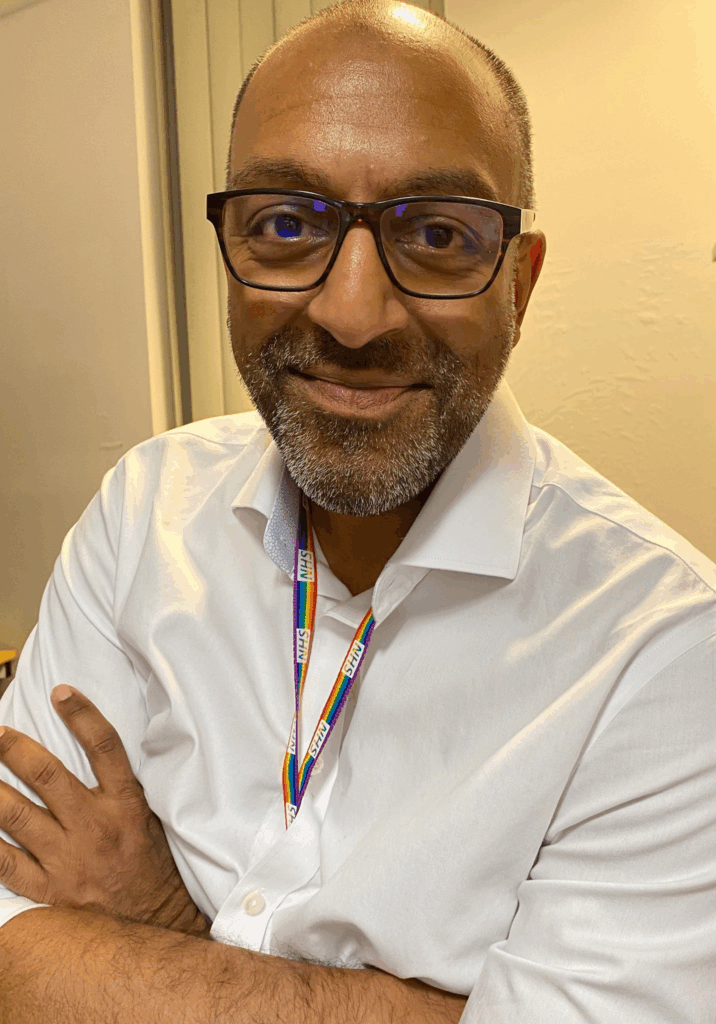
Dr Kanagasundaram has worked as a consultant nephrologist at the trust for over 21 years and is currently clinical lead for the UK Kidney Association’s sustainable kidney care programme.
At the Freeman Hospital, Dr Kanagasundaram has worked to embed sustainability into the kidney care unit.
Treating end-stage kidney disease requires a significant number of resources, from manufacture through to disposal of equipment and packaging.
Dr Kanagasundaram has contributed to the development of a free carbon footprint calculator that can be used by haemodialysis units to identify areas where they can reduce greenhouse gas emissions.
Along with colleagues in nephrology, Dr Kanagasundaram set up the Green Gym, a staff wellbeing group that is focussed on improving mental and physical health through outdoor activities.
Speaking about his new role, Dr Kanagasundaram said:
“We know that the NHS’s carbon emissions are responsible for four to five percent of the UK’s overall carbon footprint.
“It’s really important that we find greener ways of delivering clinical care to ensure our services are sustainable for patients and the planet.
“I am delighted to be appointed to this role and look forward to working with Dr Sanderson to embed sustainable practices into clinical care across the trust.”
Protecting resources for future generations
Dr Sanderson is a consultant anaesthetist based at the Freeman and anaesthetic lead for the Freeman Hospital day treatment centre. She is passionate about sustainable healthcare and protecting resources for future generations.
In this new role, Dr Sanderson will support other clinical areas to embed the sustainable healthcare in Newcastle (SHINE) framework, building on her previous experience in this area.
For the last three years, Dr Sanderson has chaired a theatres sustainability working group and introduced a range of green initiatives across the Freeman Hospital.
At the cay treatment centre, Dr Sanderson played a vital role in the switch from disposable theatre hats to reusable versions.
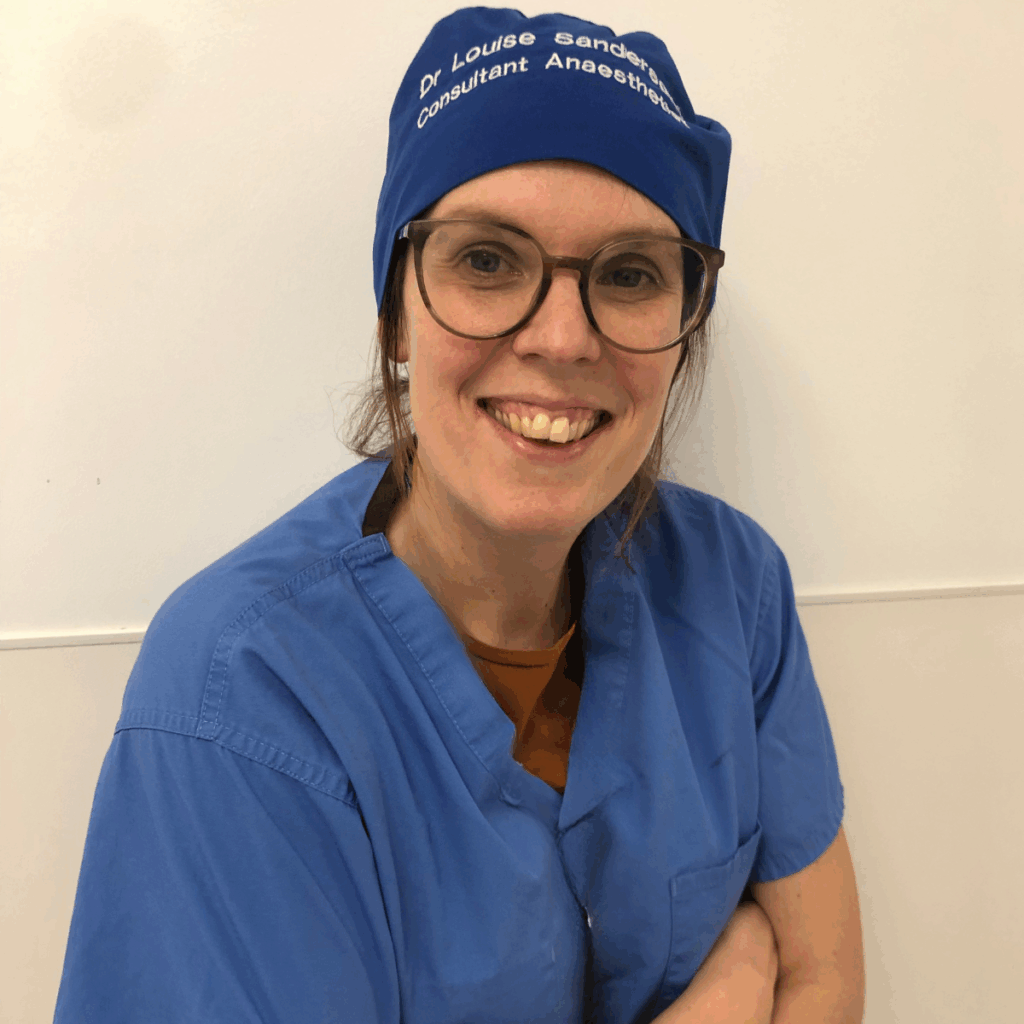
Disposable hats are made of viscose, a material that is derived from wood and sourced by felling trees.
In addition to the environmental impact, disposable hats can make it difficult for team members to identify each other, especially within emergency situations. Reusable versions include name and job title, helping to improve team communication.
The group has also made concerted efforts to reduce the use of disposable tourniquets, a band that is used to stop bleeding.
The trust uses around 900,000 disposable tourniquets each year. Reusable tourniquets, which have a lifespan of around six years, are now used in the vascular department, intensive care medicine, the day treatment centre, and pre-assessment clinic, with more departments to follow in 2026/27.
Further information
- The online calculator has been prepared by the Sustainable Healthcare Coalition, a partnership between healthcare companies, the NHS England and NHS Scotland.


