


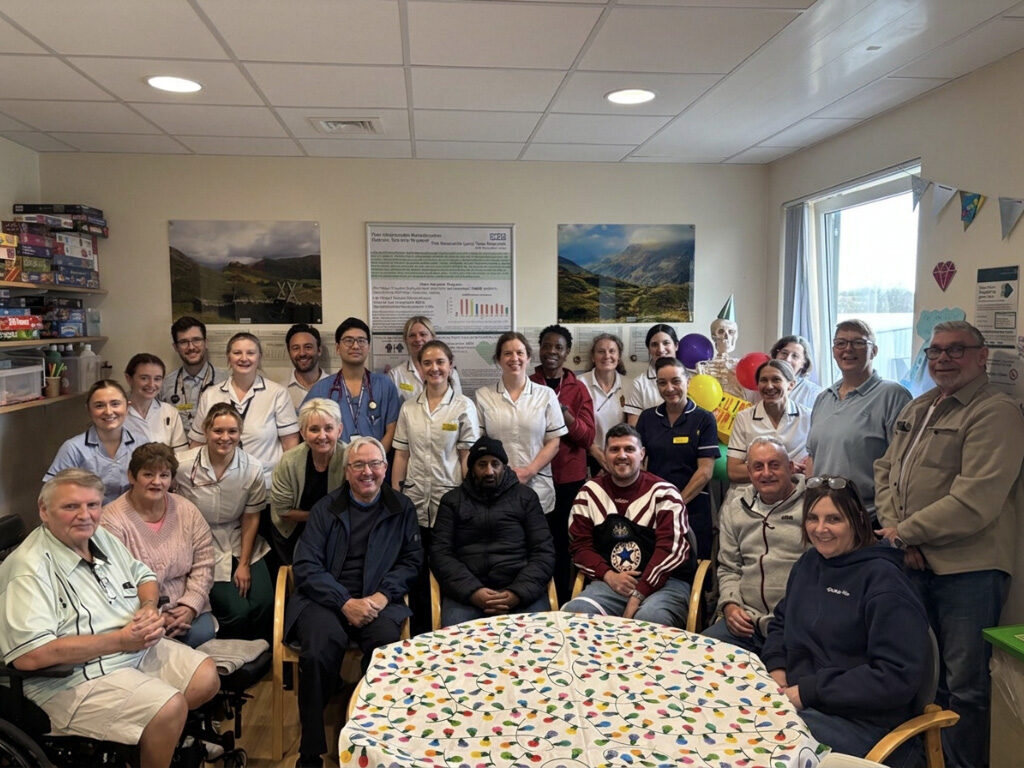
The major trauma rehabilitation service at Newcastle’s Royal Victoria Infirmary is celebrating 10 years of helping patients rebuild their lives.
The service, which provides rehabilitation for major trauma patients, has assessed more than 13,400 patients over the past 10 years, providing therapeutic care and rehabilitation prescriptions to over 6,800 patients.
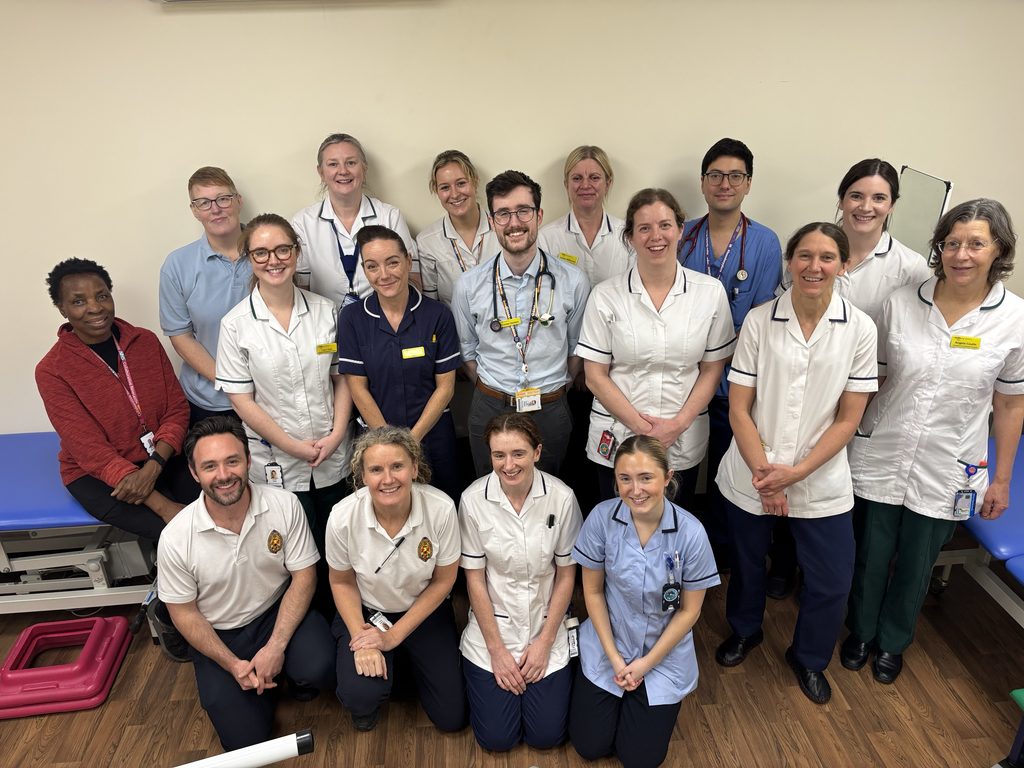
A rehabilitation prescription is a personalised recovery plan for patients who have experienced life-threatening or life-changing injuries. It outlines their rehabilitation needs and sets out the support they will need as they move from hospital into the community.
Following assessment, the 10-bed unit provides therapeutic care that helps patients recover physically, psychologically and cognitively from their injuries.
Newcastle Hospitals’ major trauma rehabilitation lead, Sinead Savory, explains: “When patients arrive, they often cannot get out of bed, walk, dress themselves, prepare meals or manage everyday activities at home. They may have been through surgery and be medically stable, but the impact of their injuries is significant, and they require more intensive therapeutic support.
“Our job is to help them regain their independence and achieve their main goals of getting home and returning to their usual activities.”
The team creates tailored recovery plans on the unit to provide rehabilitative care until patients can return home with community support. Patients may have experienced injuries resulting from road traffic accidents, sporting injuries or work-related injuries, but the team also supports patients who have fallen or slipped, particularly during the winter months.
Sinead Savory adds: “We work with patients until we can help them achieve basic independence, whether that is being able to get out of bed, get to the toilet, stand or walk with a mobility aid. Their support continues through referrals for follow-up care in the community.”
Once patients leave hospital and return to the community, the rehabilitation team usually sees them in a follow-up outpatient clinic to monitor their recovery or determine whether they require additional services and support.
Returning to employment after major trauma can be challenging. Data from the unit show that 57% of patients who were employed at the time of their accident returned to work following their rehabilitation.
Patients’ stays on the unit can vary significantly, from just one day of rehabilitation to more than 100 days, depending on the complexity of their recovery needs.
Dr Laura Graham, consultant in rehabilitation medicine, said: “It’s been my pleasure and privilege to work in such an amazing, highly skilled and caring team since the start, providing rehabilitation to so many people after traumatic injuries and helping them get home sooner and return to the activities they enjoy.
“It’s been so rewarding to work in such a great set-up, with talented and experienced staff, allowing us to support people to get their lives back, which wasn’t always possible before this service started. Having time to discuss people’s goals and support them in their recovery is a central part of rehabilitation, and I think we achieve this for people after trauma.”
Senior sister Clare Ridley said: “I have worked on ward 23 since the rehabilitation unit opened. I can remember the very first patient and many more since then. I have watched the major trauma rehabilitation unit grow and adapt to support every patient who comes through the doors.
“Some of our patients have immense gratitude for this unit. They often come back to visit us, show us their progress and celebrate what they have achieved with us. It is really rewarding to see.”
Case study
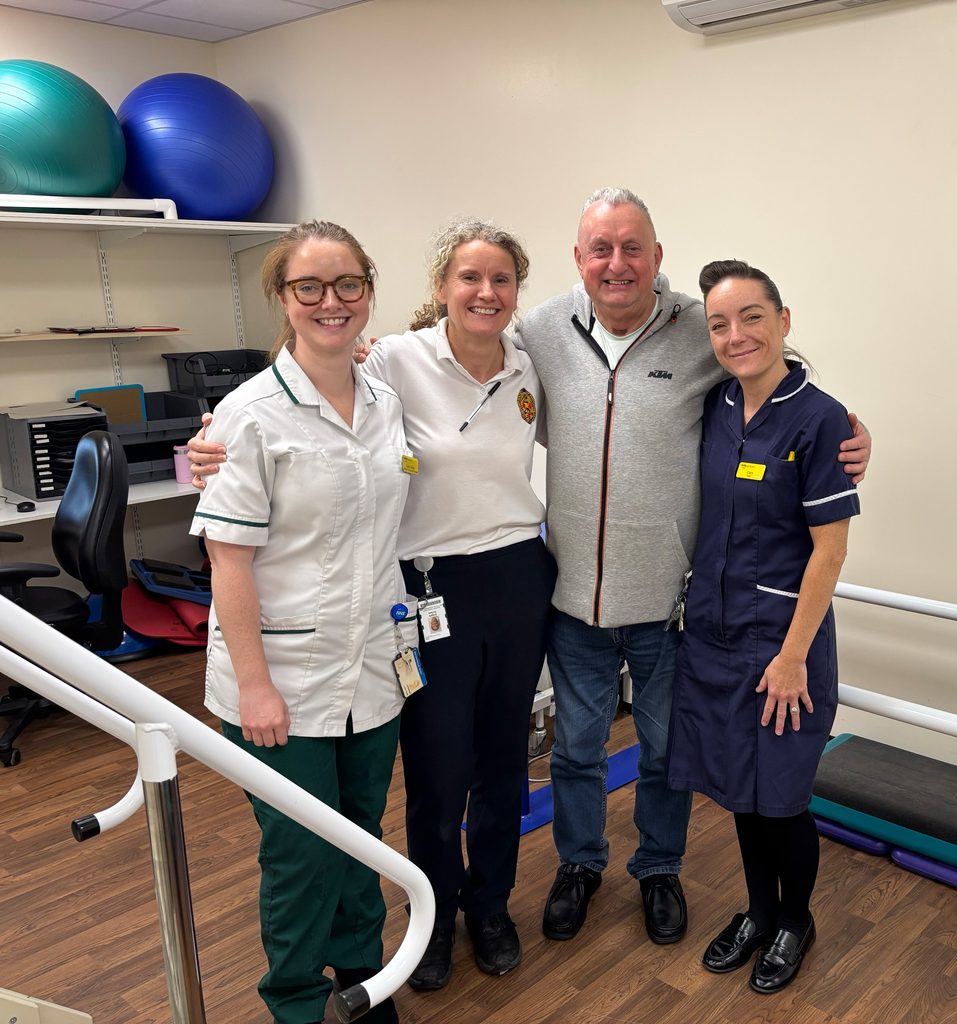
Nigel Curry from Durham was involved in a road traffic accident while abroad in 2022, resulting in multiple fractures to his pelvis, spine, ankle and shoulder.
“I was in a mess, put it that way,” said Nigel.
After spending a week in intensive care overseas, Nigel was airlifted back to the UK and transferred to the Royal Victoria Infirmary for specialist major trauma care and rehabilitation.
At the time, an external fixator held Nigel’s pelvis in place; this device stabilises fractured bones while they heal.
He said: “I spent three months lying in a hospital bed because I could not move with the fixator attached to my pelvis. I remember asking a nurse if I could sit up. They warned me that I would probably pass out because I had been lying down for so long. I tried to sit up and, yes, I passed out.”
After the fixator was removed, Nigel could not walk or stand independently.
“My rehabilitation started very gradually. At first, I used a transfer board to move into a chair for a couple of hours each day. We then worked on standing with a frame before progressing to crutches. Eventually, I was able to walk to the bathroom for a shower for the first time in three months.”
To return home, Nigel needed to be able to manage the stairs in his house.
He said: “Every day I was focused on getting home. I probably pushed myself hard, but after spending so long in hospital, that was my goal. The team worked with me every step of the way and helped me build up the strength and confidence to manage the stairs safely.”
After spending three months in hospital, Nigel was discharged home with community support.
Now retired, he enjoys swimming most days and travelling abroad.
Nigel continues to visit the ward to thank the team who supported his recovery.
He said: “Every year, I take a box of chocolates to the ward to thank the staff for looking after me. They were fantastic. They helped me through some of the toughest months of my life.”


