



A UK-wide clinical trial, led by experts in Newcastle and funded by the National Institute for Health and Care Research, will compare current treatment options for men with benign prostate enlargement (enlarged prostate).
The prostate is a small gland located below the bladder and controls the flow of urine. An enlarged prostate is a common, non-cancerous condition that typically affects men over the age of 50.
As the prostate enlarges, it can press against the bladder and urethra, leading to symptoms such as needing to urinate more often, a feeling that the bladder has not fully emptied, and a weak urine stream.
Transurethral resection of the prostate (TURP) is one of the most common procedures used to treat an enlarged prostate. It is carried out in hospital under general anaesthetic and involves trimming away the extra prostate tissue that is blocking urine flow.
While safe and effective, TURP can result in men losing the ability to control their bladder, as well as causing impotence (erectile dysfunction).
Alternative treatment options
More recently, alternative treatment options have become available which usually require a shorter time in hospital and potentially have a lower risk of complications.
The PREMISE trial will compare TURP with three other minimally invasive surgeries used in the NHS:
- Rezum water vapour therapy – a surgical treatment that involves a special machine injecting steam into the prostate which causes the prostate to shrink down in size a few weeks later
- Prostatic urethral lift – involves passing a telescope through the urethra and putting two or more implants into the prostate to compress and open up the obstructing prostate.
- Temporary implantable nitinol device – involves placing a temporary implant (iTIND) into the prostate. Once in place, it begins to expand and gently exert pressure on three points within the urethra, creating new channels for urine to exit the bladder.
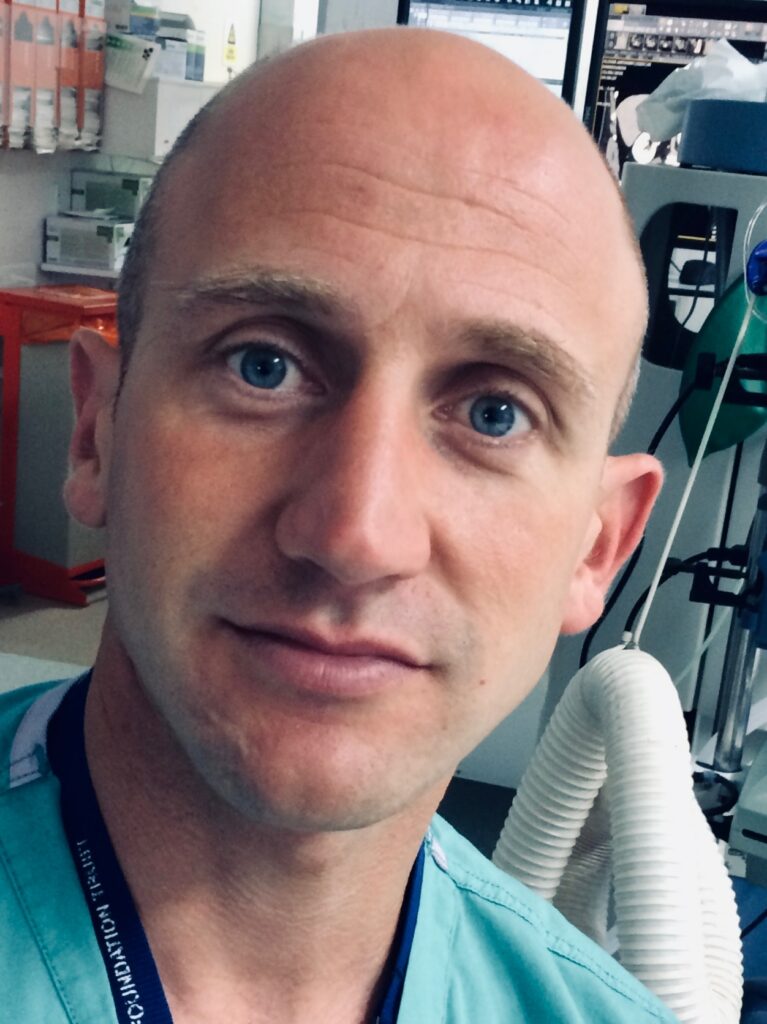
The trial is led by Mr Toby Page, consultant urological surgeon at Newcastle Hospitals. He said:
“Benign prostate enlargement is common and, while it is not usually serious, symptoms can interfere with daily life. In some cases, an obstruction can affect the ability to urinate, which requires emergency surgery.
“There are several types of surgery available which have different benefits and disadvantages, but we don’t know which is the most effective.
“By carrying out this trial, we hope to develop robust clinical evidence that can inform NHS guidelines and best options for patients.”
12 sites across England and Scotland are running the PREMISE trial, which aims to recruit 536 patients.
Patients who meet the criteria will be invited to take part through hospital clinics, where they will be asked to select which procedures they are willing to undergo.
To ensure a fair and unbiased trial, neither the patient or doctor will be involved in deciding which procedure is then allocated.
Contributing to future health care
82-year-old retired dermatologist, Bill Paterson, who lives in Cumbria, took part in the PREMISE trial after tests confirmed he had an enlarged prostate. He said:
“Following a consultation and examination by the urology team at the Freeman, it was confirmed that I had an enlarged prostate.
“My consultant, Mr Page, said that standard treatment involved removing the prostate but that there was an opportunity to take part in a study looking at other, less invasive techniques.
“I was very familiar with research throughout my career in the NHS, so I was more than happy to take part in the study. The team was very helpful and always on hand to answer any questions I had. It’s good to know I have contributed to something that could help patients in future.”
The trial is managed by Newcastle University’s Clinical Trials Unit and supported by the trust’s urology research team.
Mr Page is also an honorary senior clinical lecturer at Newcastle University.
About research at Newcastle Hospitals
While some of our research focusses on specific health conditions, we also need healthy volunteers to take part in trials and studies.
You can receive information about upcoming trials that you might be eligible for by signing up to our online research registry, Research + Me. Taking part is entirely optional and we will never share your personal information.
Find out more about research at Newcastle Hospitals and how to get involved.


