

Newcastle Hospitals’ respiratory experts have played a key part in a study that could have implications for clinical guidelines and healthcare policy.
Results of the study were recently published in the renowned medical publication, the New England Journal of Medicine.
The CLEAR trial, funded by the National Institute for Health and Care Research (NIHR) and led from Queen’s University Belfast, is the largest UK study to date investigating bronchiectasis.
Bronchiectasis is a long-term condition where the airways of the lungs become widened, leading to a build-up of excess mucus that can make the lungs more vulnerable to infection.
The CLEAR trial tested the effectiveness of two commonly prescribed mucus-clearing medicines – hypertonic saline (HTS) and carbocisteine – believed to work by making mucus runnier and easier to clear from the lungs
National guidelines advise giving patients HTS or carbocisteine, however these guidelines were developed over ten years ago with information from a very small number of trials.
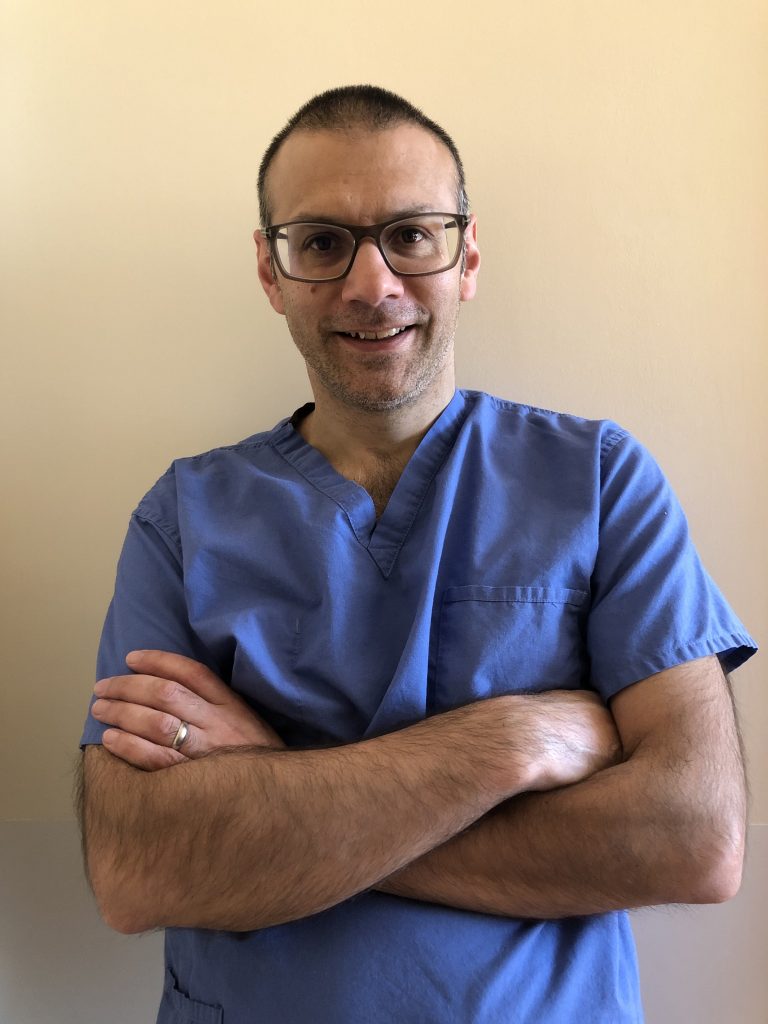
CLEAR took place across 20 sites and involved over 288 participants. Professor Tony De Soyza, honorary consultant respiratory physician at Newcastle Hospitals, led the study with the trust’s respiratory research team.
Over a 52-week period, the study found that neither HTS nor carbocisteine significantly reduced symptom flare-ups or improved lung function, quality of life, or antibiotic use. While both treatments were safe, they provided no measurable clinical benefit.
Prof De Soyza, who is also a professor of pulmonary medicine at Newcastle University, said:
“The use of these medicines varies widely across the UK and current guidelines are based on a small number of trials undertaken many years ago.
“The results of the CLEAR trial provide more robust evidence to support a consistent approach to the best treatment options for patients.
“We hope to see changes to current guidance as a result of the trial.”


